
Science
Solvable Model Shows Trapped Light Driving Magnetic Order in 1D Spin Chains
Phys.org reports an exactly solvable model showing how confined light can produce magnetic ordering in one-dimensional spin chains.
Thomas Hall · 2 Nov 2026115
Science, discoveries and how the world works. · 644 articles
Phys.org reports an exactly solvable model showing how confined light can produce magnetic ordering in one-dimensional spin chains.
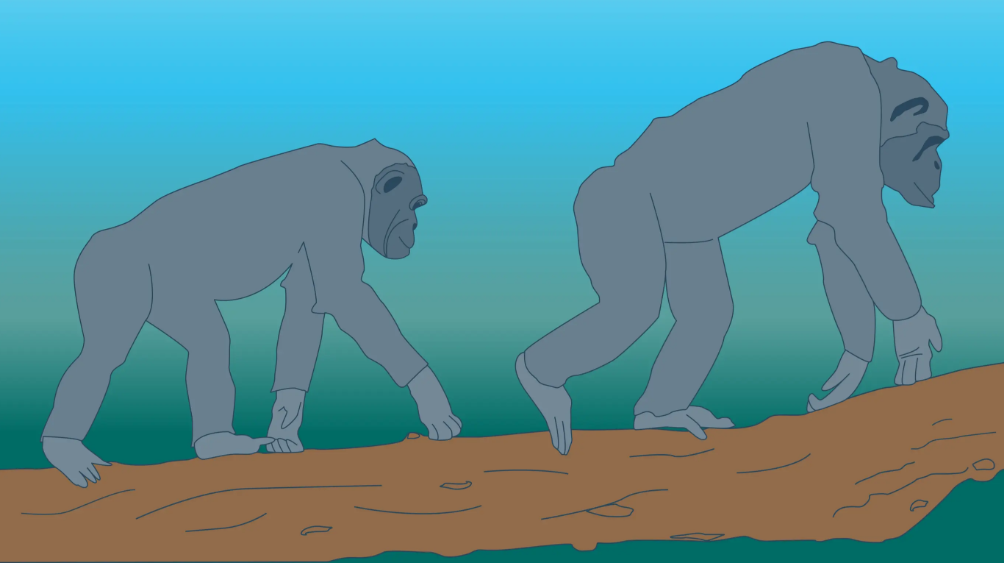
A study of 40,000 people and 86 chimpanzees links leadership status to higher risk-taking in both species, suggesting deep evolutionary roots.

Researchers say electron microscopy and chemical tests on an Aratasaurus hind leg revealed red-blood-cell-like structures and heme, though other experts are not convinced.

Behavioral scientists reveal 10 ridiculously small habits — from the two-minute rule to friction tricks — that quietly compound into massive life change.
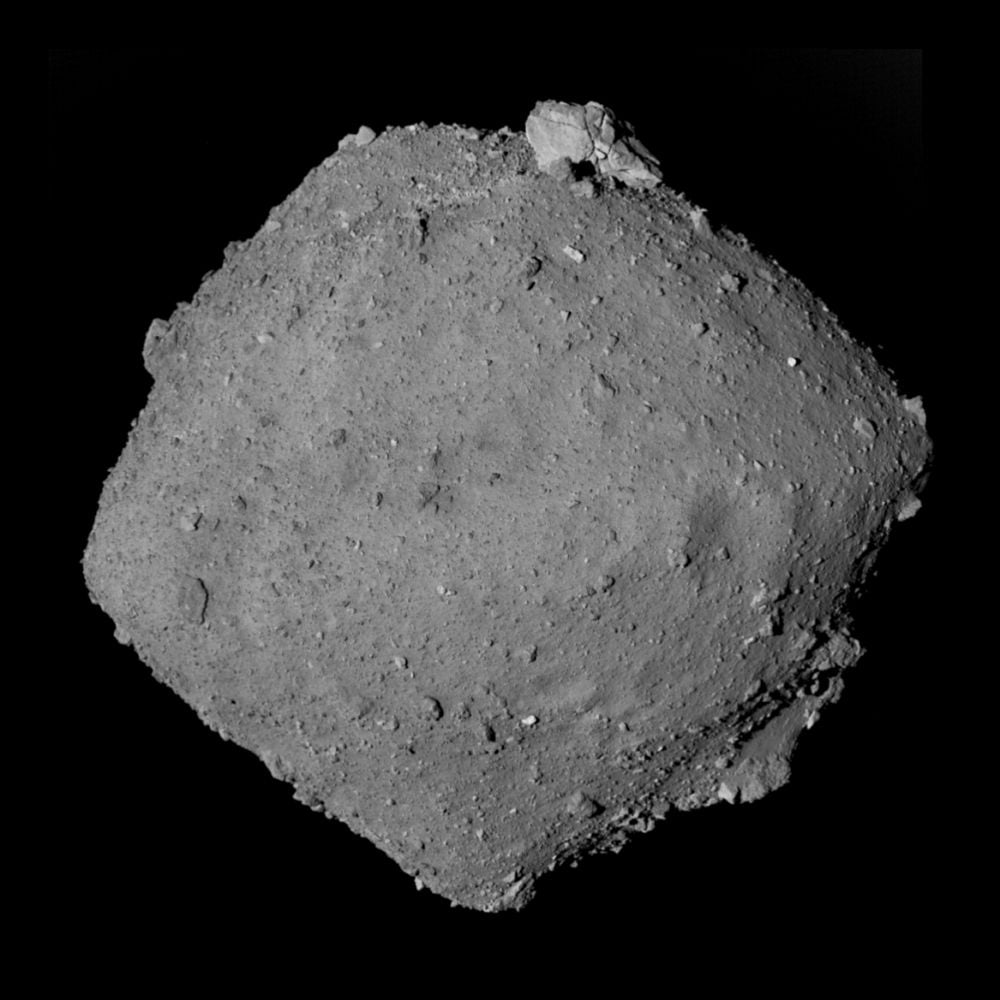
Researchers say a poorly crystalline magnesium silicate hydrate could resolve conflicting water-alteration signatures in the Ryugu asteroid sample.

Dr. Darcy Cordell told an Athabasca University audience how geophysics tracks magma and why eruptions threaten travel, climate and communities.
Computers in Biology and Medicine pulled 13 studies, four coauthored by former editor-in-chief Huiling Chen, citing suspect authorship changes and bad citations.
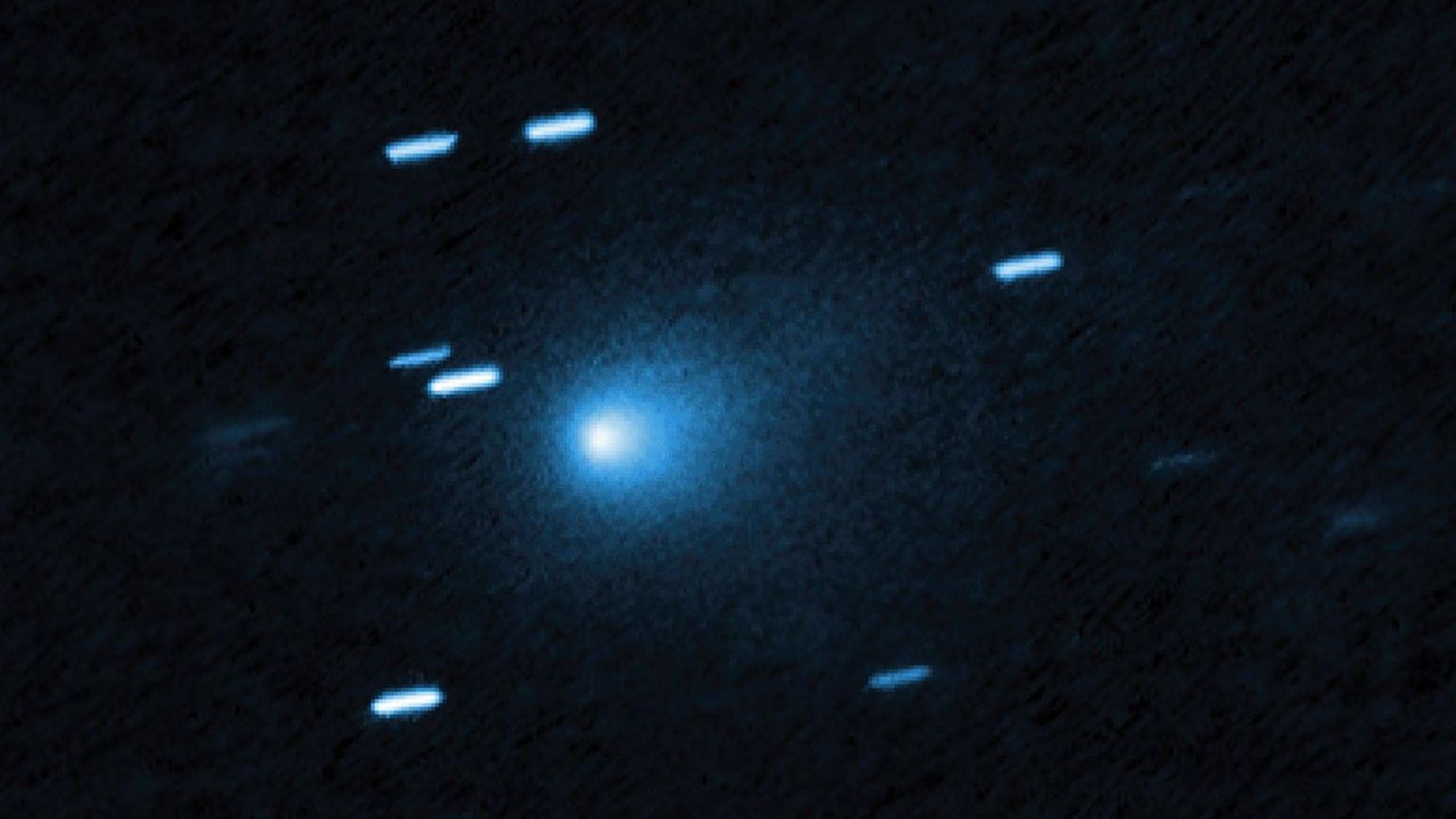
JWST observations of comet 3I/ATLAS reveal dusty water-ice grains unlike solar system comets but similar to distant trans-Neptunian objects, Space reports.

Webb has captured the Cat's Head Nebula, a object also visible in Hubble data, according to reports on the new image.

Phys.org reports that flexible connectors let nanoparticles assemble into tunable designer materials, work also covered by MIT News and Nature.

Researchers just confirmed a fourth salivary gland hiding behind your jaw. Here's why anatomy textbooks are wrong and what it means for cancer treatment.

Researchers in China report a contrastive-learning framework that classifies hyperspectral images accurately with only five labeled samples per class.
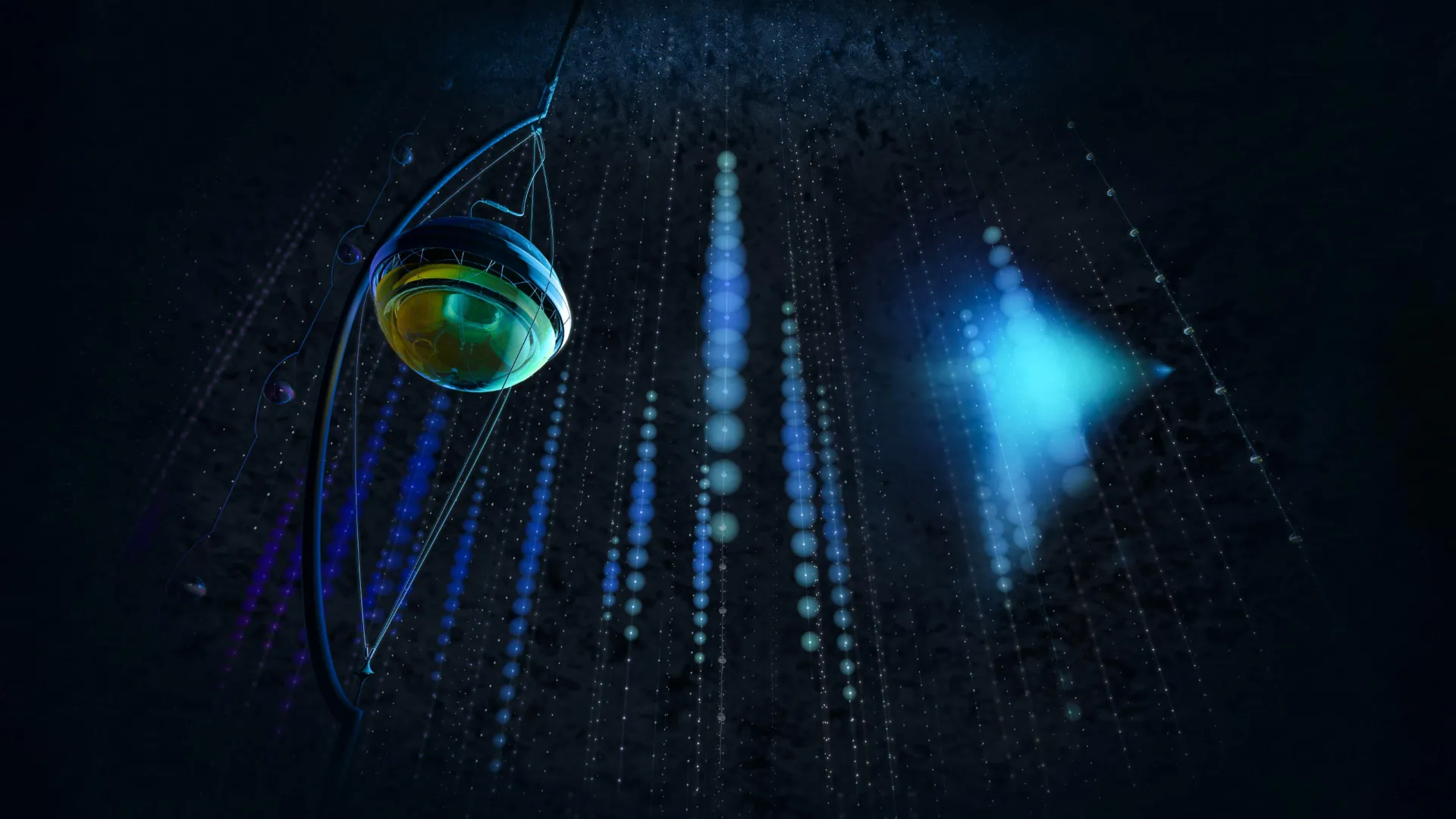
Antarctic detector spots rare high-energy neutrinos, work that helped earn physicist Francis Halzen this year's Nobel Prize in Physics.
Science Daily reports that Antarctica's IceCube observatory has captured ghostly particles far more powerful than solar neutrinos, as its lead scientist wins a Nobel Prize.
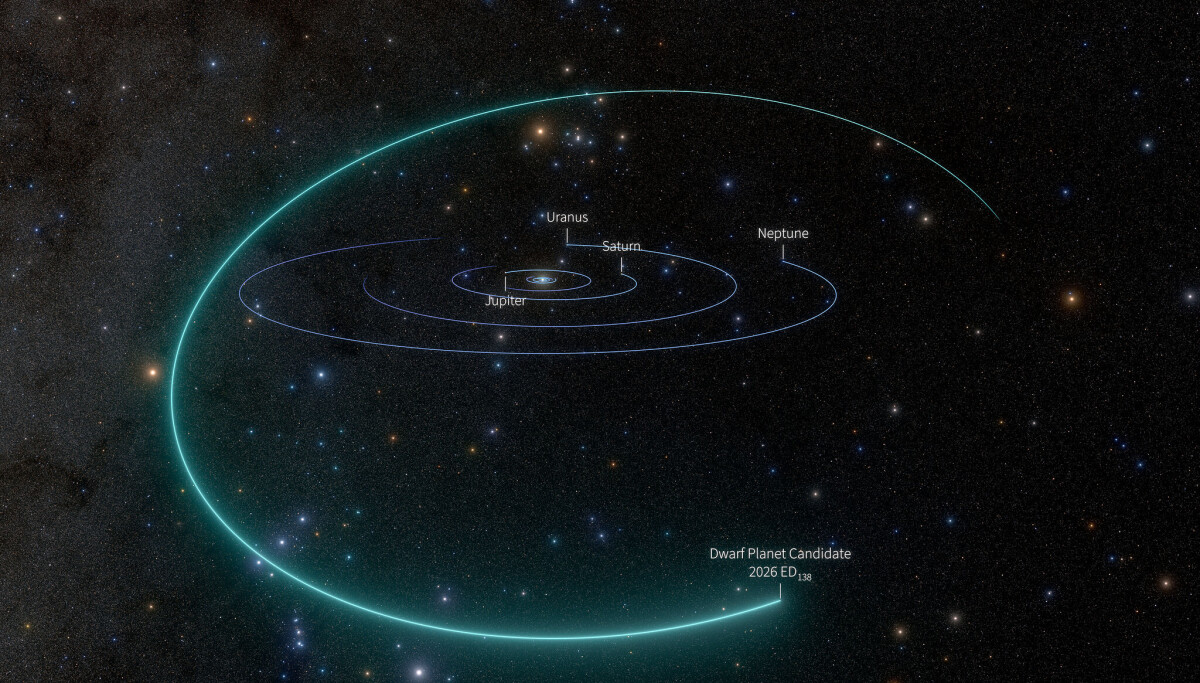
Researchers say object 2026 ED138, estimated at 600–1500 km across, may qualify as a dwarf planet in the Kuiper Belt.
Researchers say object 2026 ED138, estimated at 600–1500 km across, may qualify as a dwarf planet in the Kuiper Belt.
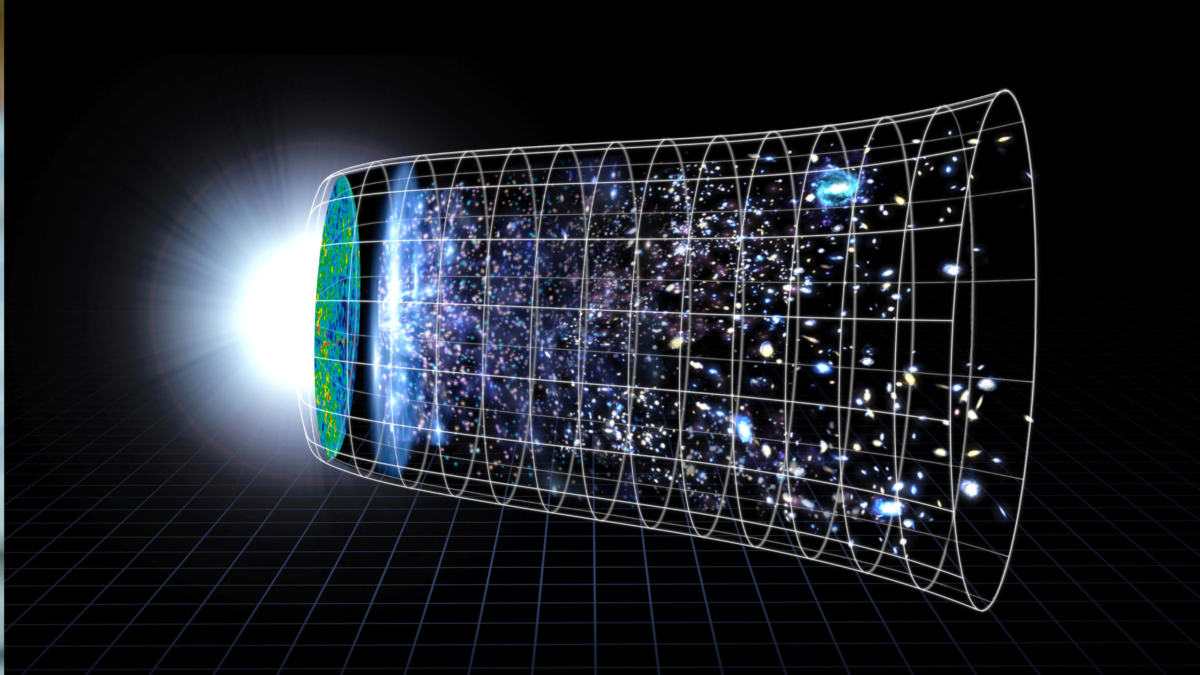
A Belgrade team's preprint model built from randomized 4D triangles produced a 3+1 dimensional signature in about 85 percent of trials.

AFU.id reports Mars and Jupiter will appear close together on Nov 15-16, followed by the Leonid meteor peak and a supermoon visible from Indonesia.
AFU.id reports Mars meets Jupiter mid-month, the Leonid meteor shower peaks on 17–18 November, and a supermoon rises on 24 November.

Phys.org reports a dust-obscured star cluster in our galaxy may be almost as ancient as the universe itself.
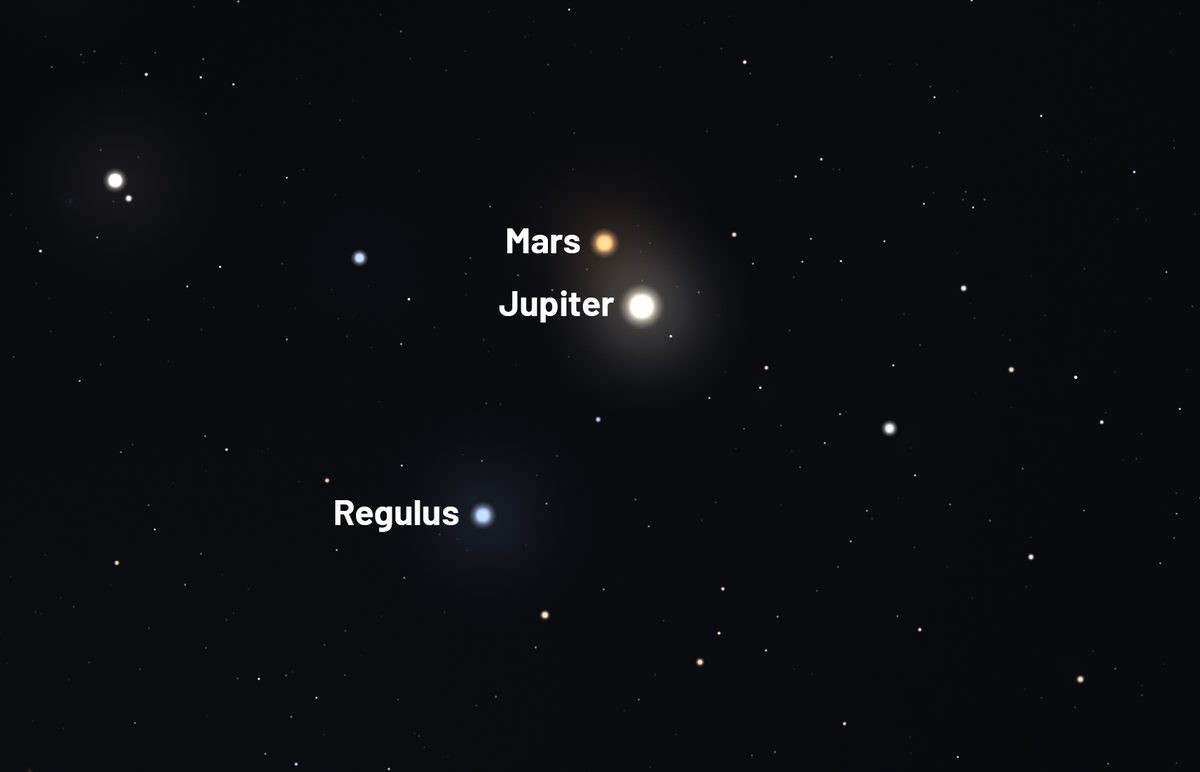
The two planets draw closer all month, meeting within about a degree around 14-17 November, with the Moon joining early on.

A global study reports that canopy height alters how much fluorescent light escapes forests, biasing satellite estimates of carbon uptake.
A global study reports that taller forests suppress escaping fluorescence, biasing satellite estimates of photosynthesis unless canopy height is factored in.
Experts from 30 countries will meet at CMFRI in Kochi to discuss satellite technology, climate resilience and sustainable fisheries, BusinessLine reports.
Page 6 of 27