Quantum Computing Just Hit a Major Milestone — Here's What It Means for You
A quantum computer just did the impossible. Here's what this milestone actually means for your job, your money, and your future — minus the hype.
Science, discoveries and how the world works. · 644 articles

A quantum computer just did the impossible. Here's what this milestone actually means for your job, your money, and your future — minus the hype.

Detector sensitivity, calibration and site studies now shape what gravitational wave signals can reveal, according to Innovation News Network.

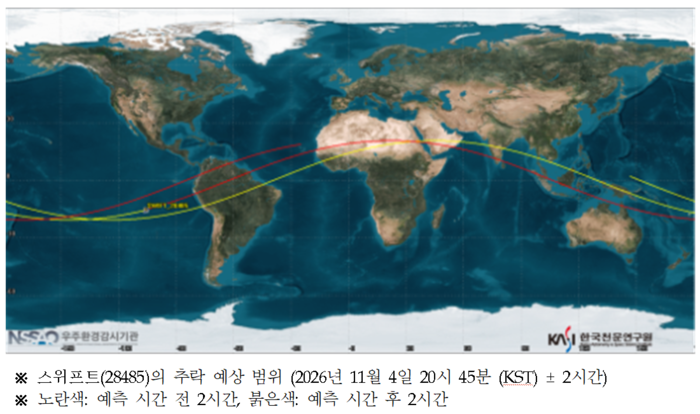
Korea's space agency says the falling Neil Gehrels Swift Observatory is unlikely to strike near the Korean Peninsula, citing an analysis of its reentry path.
:quality(80)/https://cdn-dam.kompas.id/images/2026/11/04/fb80ffe8eb0bae67141482be8cefc1f7-261104_swift.png)
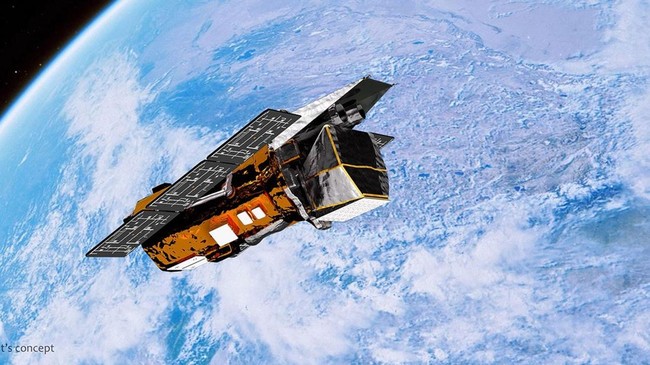
The 22-year-old Swift space telescope is expected to fall back to Earth on Nov. 4, with small, heat-resistant pieces possibly reaching the surface.

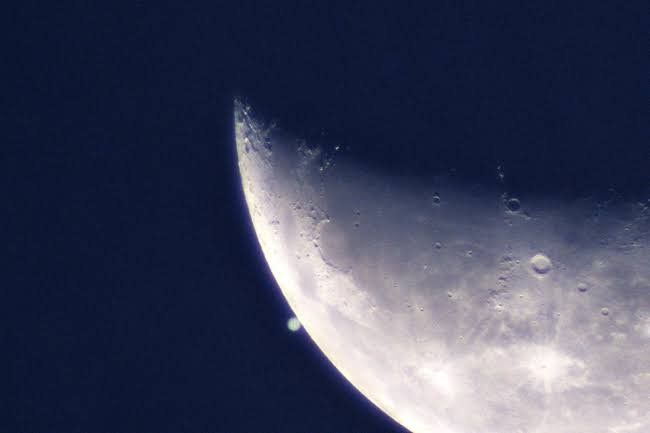
Stargazers in Brunei saw Jupiter vanish behind a waning crescent Moon for several minutes, an event the Astronomical Society of Brunei Darussalam says won't recur locally until 2038.

Private companies just made space cheap. Here's the real story of the new space race — and why it matters more than Mars.

South Korea's space agency says the 1.5-ton Swift telescope will fall to Earth Wednesday evening but cannot reach the Korean Peninsula.

PhilSA engineers completed rocket assembly and testing training in South Korea ahead of a planned demonstration launch in the Philippines in 2027.

NASA's retired Swift space telescope reentered Earth's atmosphere on Nov 4, with debris possibly falling across Indonesia and other equatorial regions.

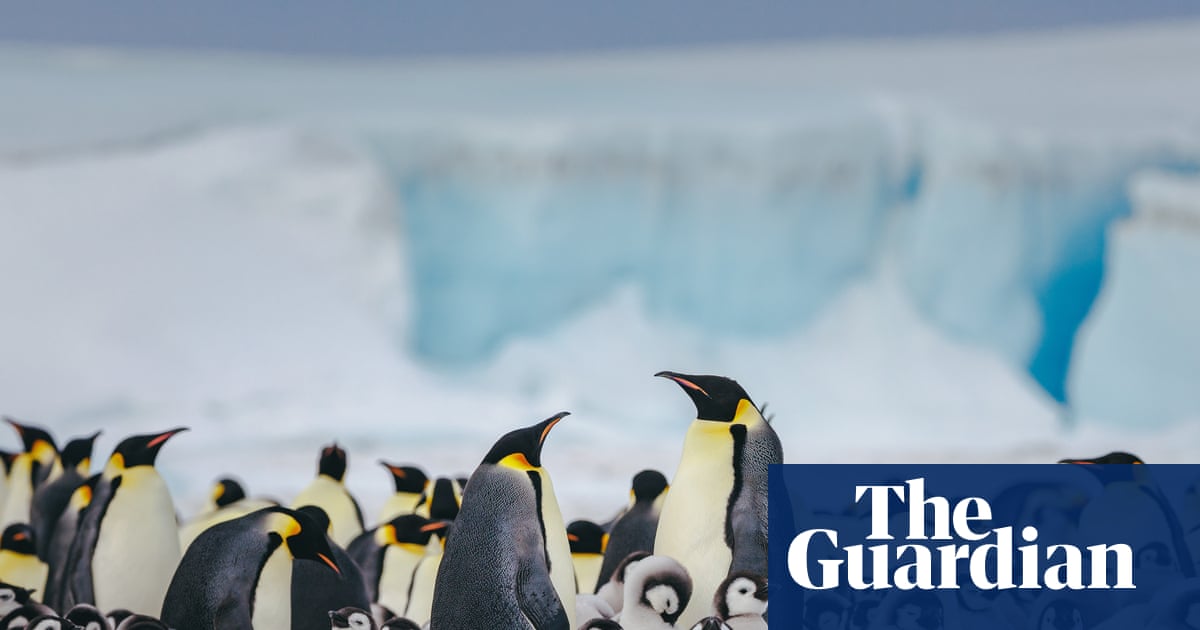
A study finds penguin droppings feed green snow algae in West Antarctica, darkening snow and speeding its melt as the birds move further south.

Astronomers using ESO's Very Large Telescope found a double debris disc around white dwarf J1328−1450, possibly held in place by two surviving planetary bodies.

The 1,500-kilogram Swift observatory is expected to fall back to Earth on Wednesday, with debris possibly reaching the surface, Dutch outlets report.

A major aging breakthrough in mice has scientists buzzing—and it could reshape human longevity. Here's what's real, what's hype, and what comes next.

A chip the size of a fingernail can separate mixed light into distinct beams, according to Phys.org.

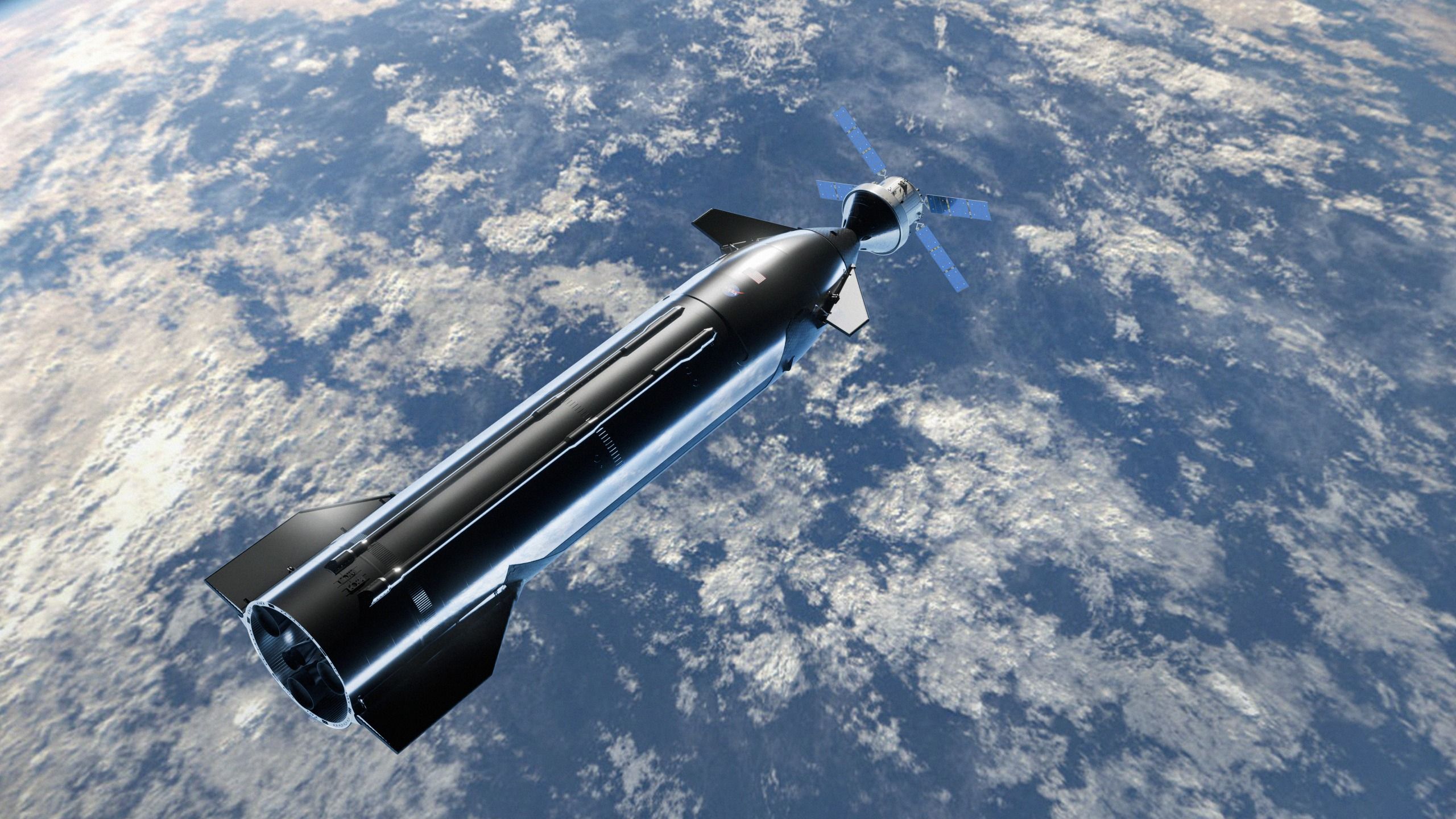
Space reports that the number of tanker flights needed to fuel Starship for a crewed lunar landing is still disputed, and the orbital choreography is complex.

NDTV reports Mumbai and Hyderabad fall within a possible debris zone as NASA's Swift Observatory heads back to Earth.

A forestry official told the 2026 Global Panda Partners conference in Chengdu that China's captive panda population has hit 830, with genetic diversity improving.
Scientists say the meteorite Teghaza 001 preserves chemical traces of water interacting with Mars' crust in the planet's earliest era.

Europe's Hera spacecraft has captured its first image of the two asteroids as distinct bodies, beginning its study of NASA's 2022 DART impact.
A two-pound rock recovered in the Sahara in 2022 is one of the oldest known Mars samples and preserves chemical traces of water-rock interaction.

A newly discovered deep-sea species has scientists calling it a "living fossil." Here's what the label really means — and why it could reshape ocean science.

NASA's Swift space telescope is expected to fall back to Earth this week after more than two decades in orbit, according to reports.

Phys.org reports a new exactly solvable model showing how confined light can produce magnetic order in one-dimensional spin chains.

Scientists who revisited a Pacific deep-sea mining test site in 2025 found the seafloor ecosystem had not recovered from disturbance 44 years earlier.
Page 5 of 27