Phys.org Reports New Framework Ties Magnetic Phase Boundaries to String-Like Defects in Spin Ice
A newly described framework connects magnetic phase boundaries with string-like defects in spin ice, according to Phys.org.
Science, discoveries and how the world works. · 644 articles

A newly described framework connects magnetic phase boundaries with string-like defects in spin ice, according to Phys.org.

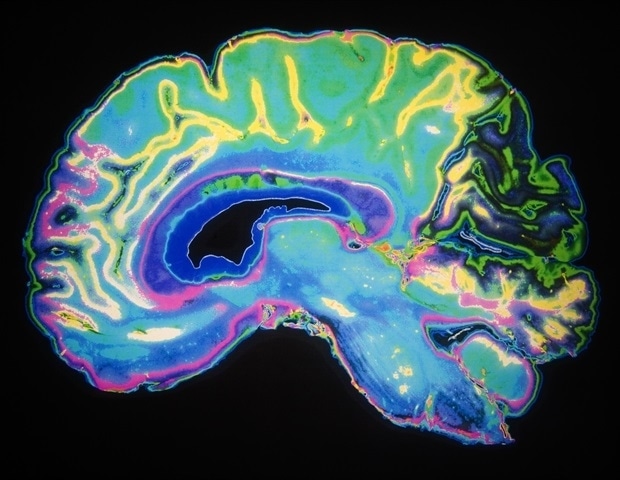
A UC San Diego study reports that activating small sets of neurons in the motor cortex can drive learned movements, according to News-Medical.

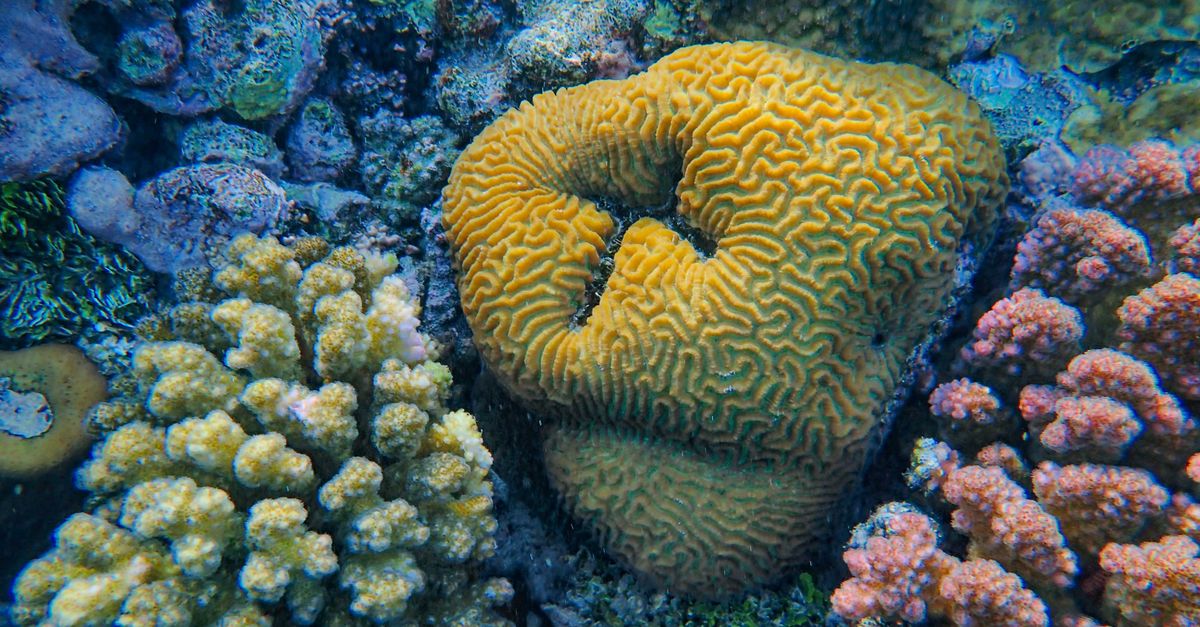
A new study reports that direct contact with healthy corals can reverse bleaching in damaged reefs within about a week.

A new climate report says Earth's condition is serious and deteriorating, with scientists warning change is outpacing efforts to respond.

RRI.co.id reports that radio emissions from hydrogen in the early universe could open a new way to study dark energy.

Cornell Chronicle reports that an electrical sliding technique can switch graphene between different magnetic states, a finding with possible implications for future electronics.

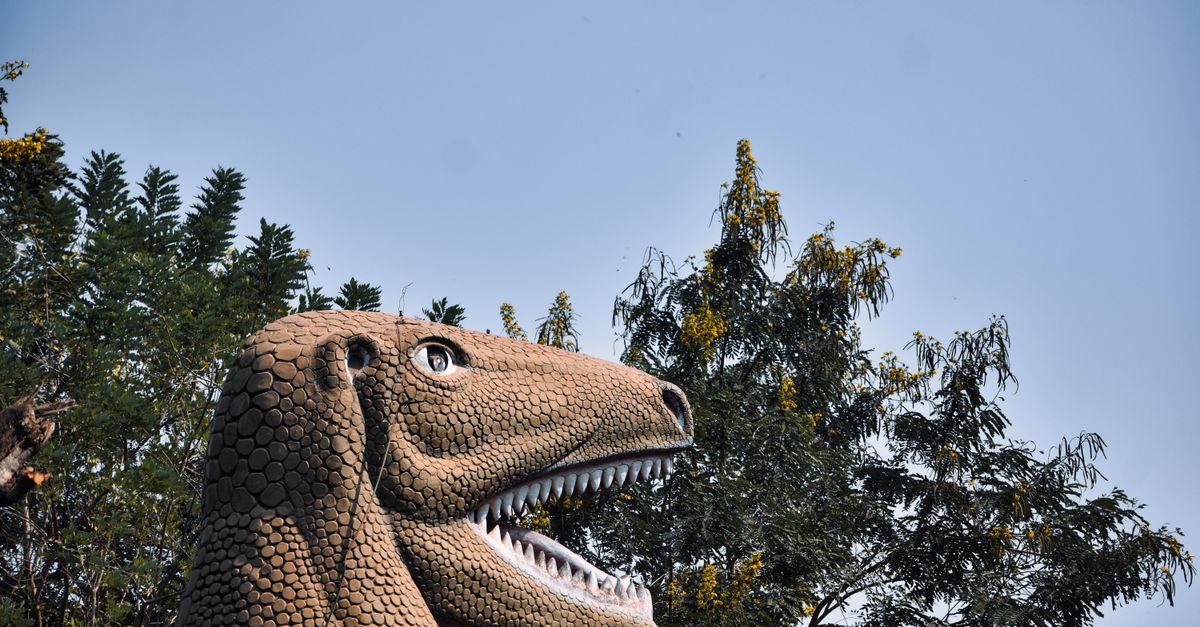
University of Alberta researchers say fossil bite marks suggest a small raptor fed on a fallen tyrannosaur, according to Sci.News.

Loneliness is an epidemic, but Gen Z is fighting back by reviving "third places." Discover the surprising science behind why libraries and diners are the new social hubs.

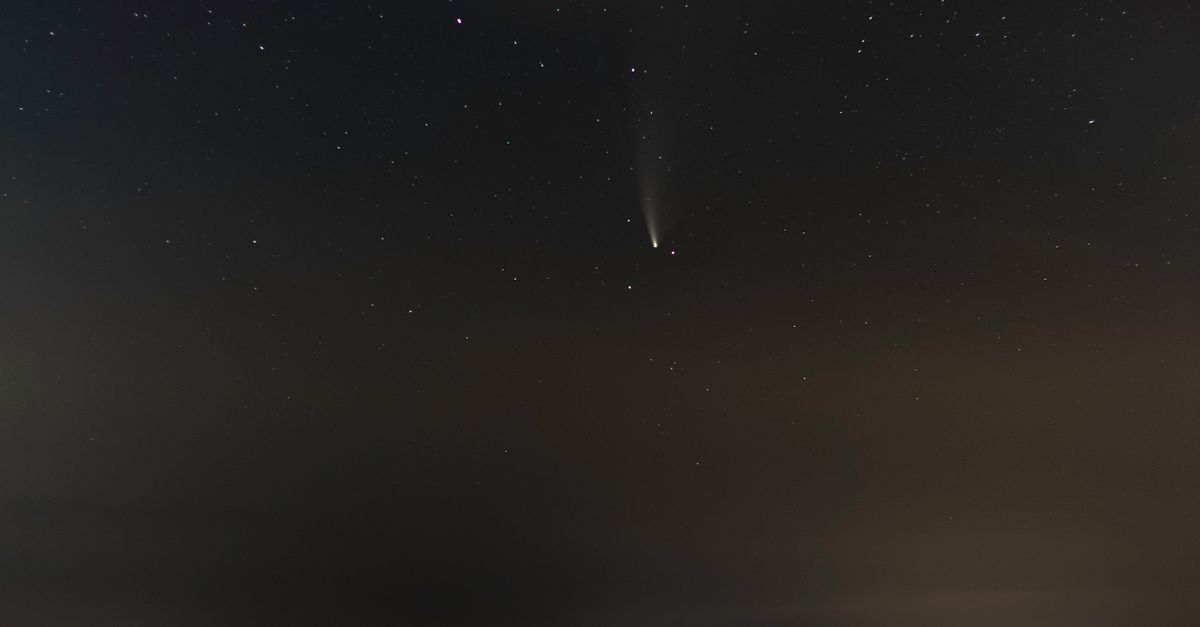
RRI.co.id reports that Halley's Comet, last seen in 1986, will return in 2061 after a viewing that left observers underwhelmed.

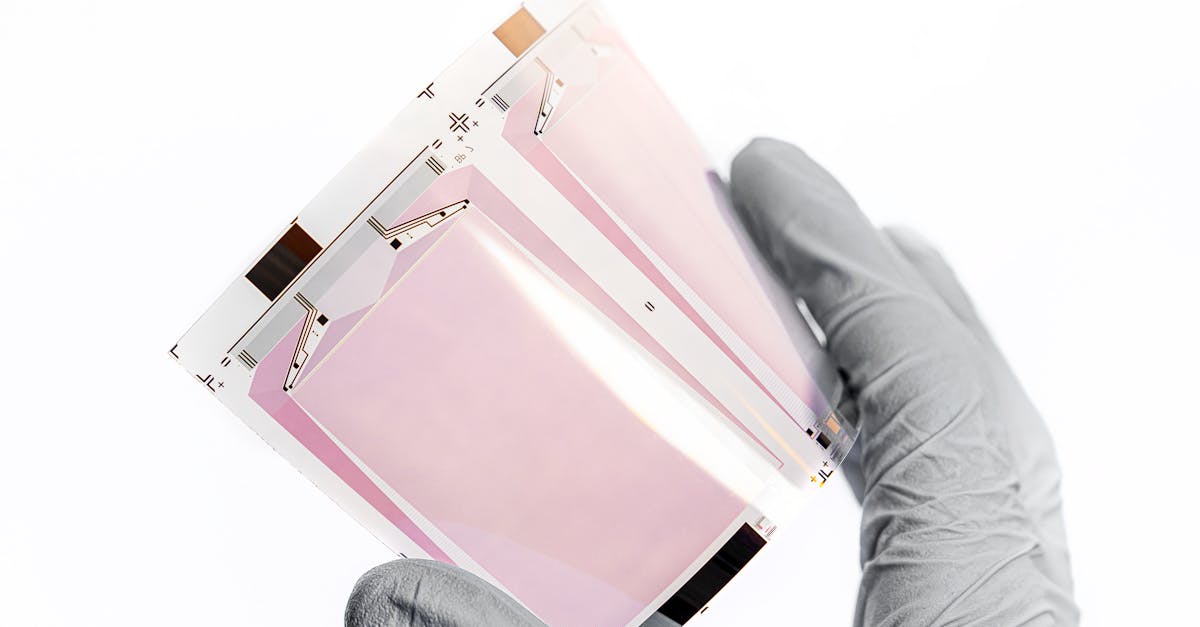
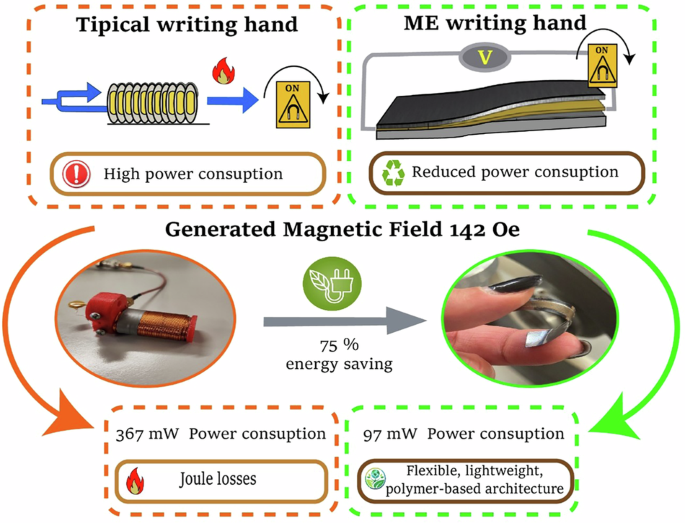
Polymer-based magnetoelectric laminates generate magnetic fields with voltage instead of current, cutting power use by nearly 75%, Nature reports.

Neuroscience reveals why cramming fails and what actually works. These 7 brain-based study techniques boost retention, memory, and recall.

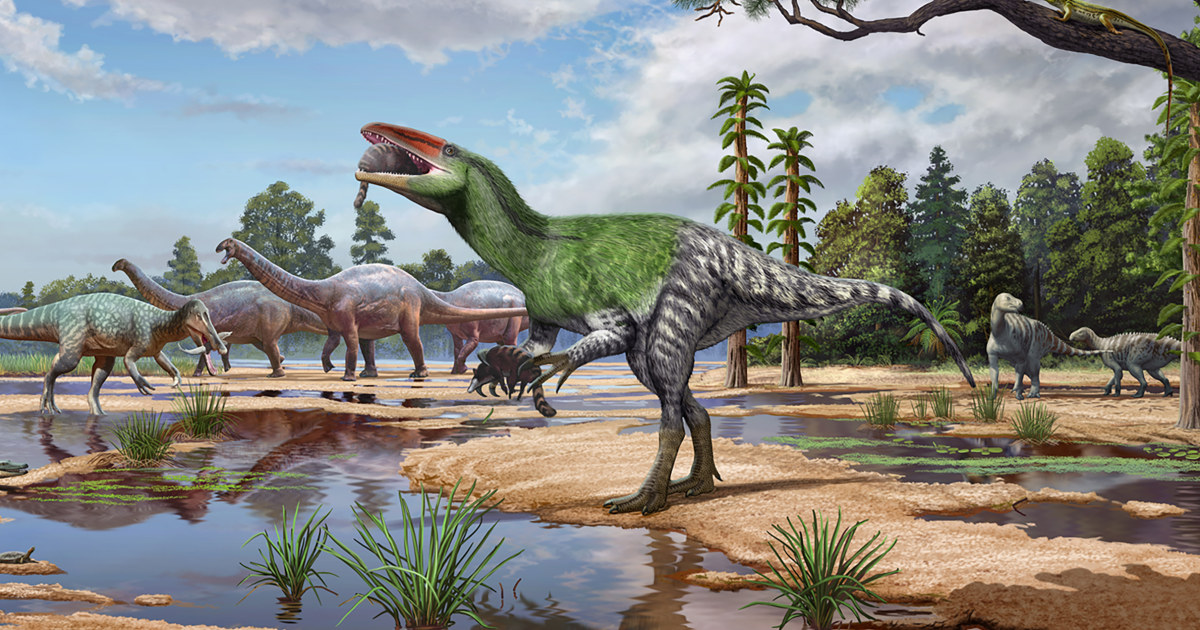
A fossil skull kept in storage for more than 100 years has been identified as a new dinosaur species from the Isle of Wight.

A partial skull stored since 1924 belongs to Invictibellatrix amberina, the first megaraptoran dinosaur found in Europe.

Yonsei University's astronomy team will receive 12 billion won over six years to use AI in the search for dark matter, with Sejong and Kyung Hee universities joining the project.

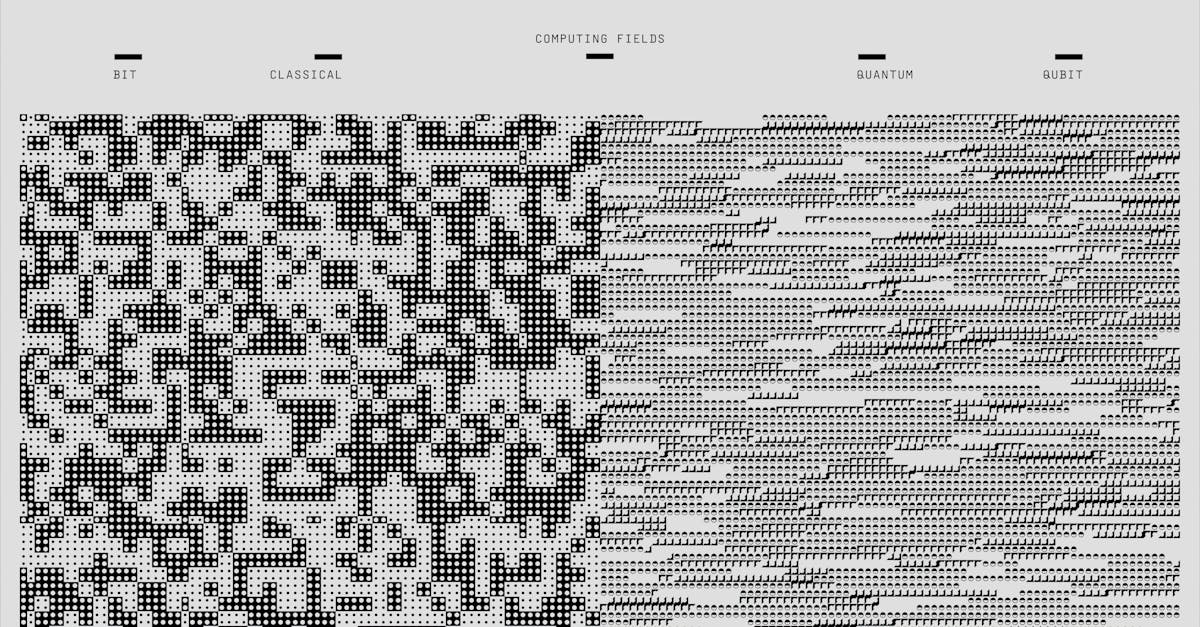
A major quantum computing milestone just happened. Here's what it actually means for your money, your health, and your privacy — minus the hype.

Early risers across Florida and Alabama reported a jellyfish-shaped glow in the sky, linked by local outlets to a SpaceX launch.

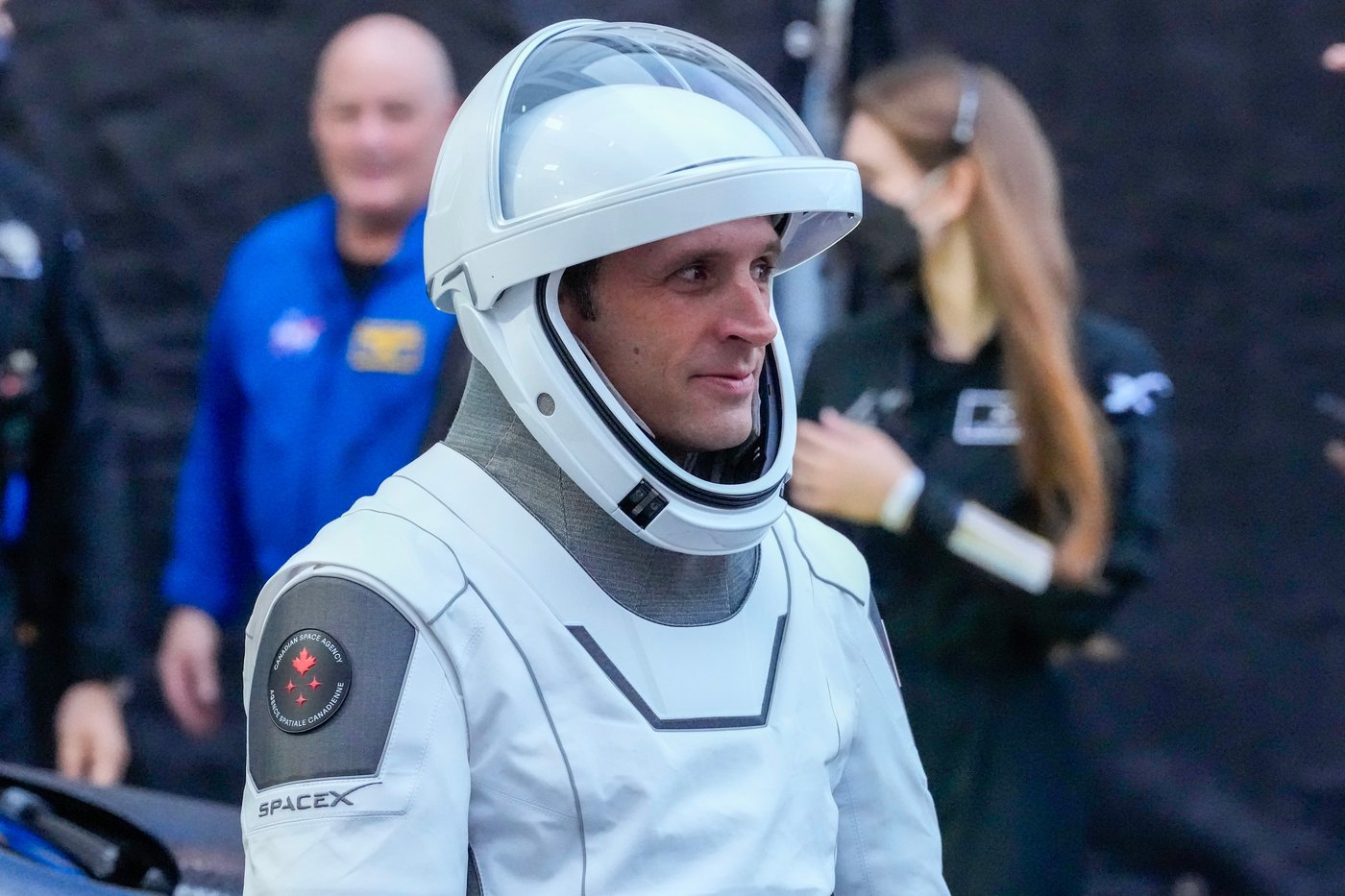
Joshua Kutryk says his time aboard the International Space Station demonstrates Canada's ability to work at the forefront of space exploration.

A new study in Science sequenced 160 bison genomes, revealing how near-extinction reshaped the species and what it means for conservation.

Your gut holds 500 million neurons and makes 90% of your serotonin. Here's how the "second brain" secretly controls your mood, stress, and mental health.

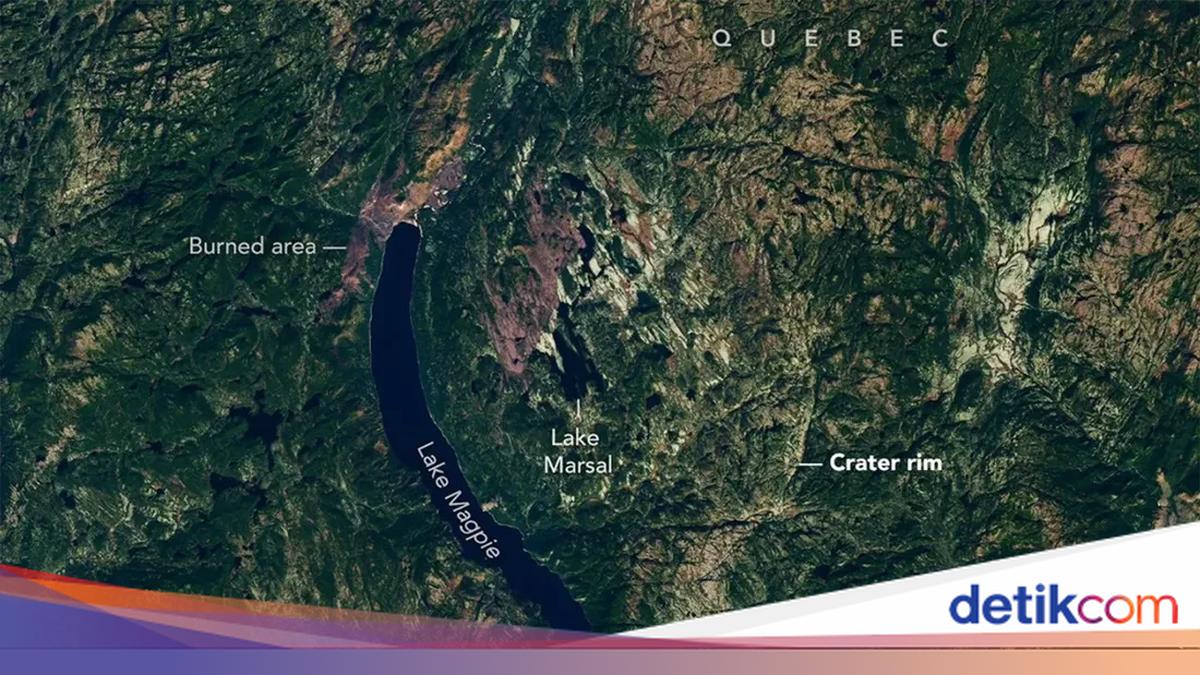
A man scouting campsites on Google Maps noticed a strange ring around a Quebec lake. Researchers have now confirmed it as a 390-million-year-old impact crater.

Astronomers report the largest asteroid yet seen spinning at ultra-fast speeds, detected by the Vera Rubin Observatory.
An international research team has mapped how a lab-made RNA switch called G12 detects the antibiotic doxycycline to control gene activity.

A joint China-US astronomy team may have identified what could be left of a recent site where gold was forged, the South China Morning Post reports.

Phys.org reports a new ceramic film gains magnetic properties through chemical disorder, with possible use in faster, lower-power electronics.
Page 17 of 27