
Science
Physicists Probe Water Under Conditions Unlike Those on Earth
Phys.org reports that physicists are testing water beyond Earth-like conditions, though details of the research have not yet been disclosed.
Ganesh Hegde · 20 Oct 2026239
Science, discoveries and how the world works. · 644 articles
Phys.org reports that physicists are testing water beyond Earth-like conditions, though details of the research have not yet been disclosed.

A three-page draft found in an Austrian library shows Erwin Schrödinger defended randomness in nature before quantum theory existed, Yahoo reports.

Expressen reports that Jonas F Ludvigsson, a pediatrician and epidemiologist, is honored for scientific integrity after enduring a hate campaign over his COVID-19 studies.
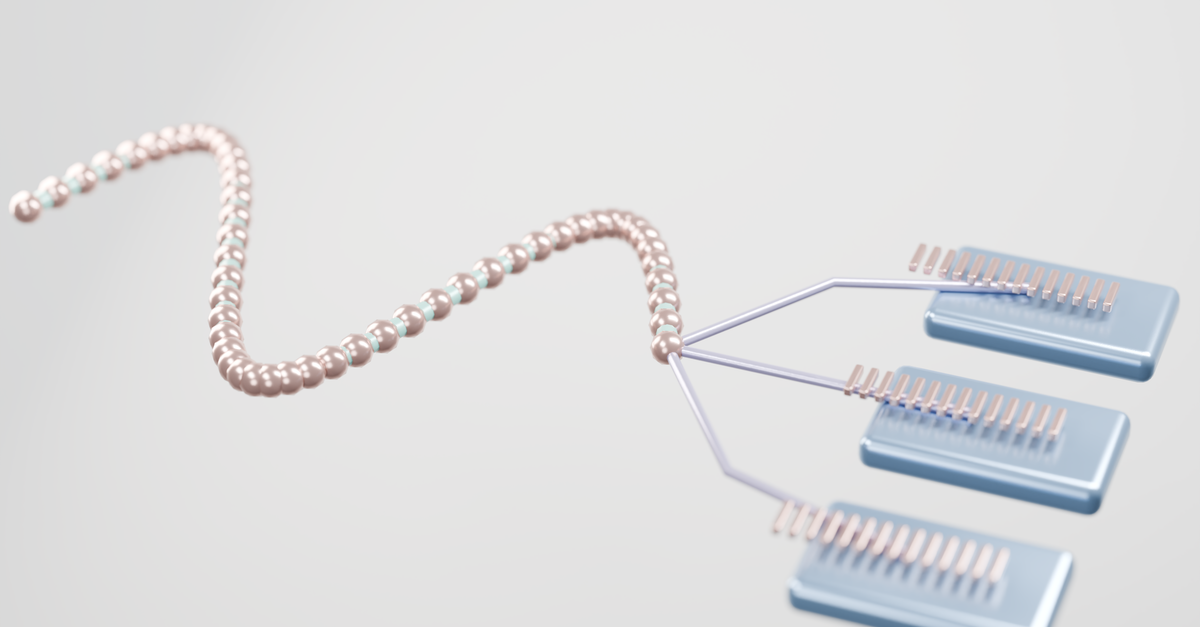
Phys.org has reported on a quantum pathway that could allow energy transfer without entropy, though no full study details were available.
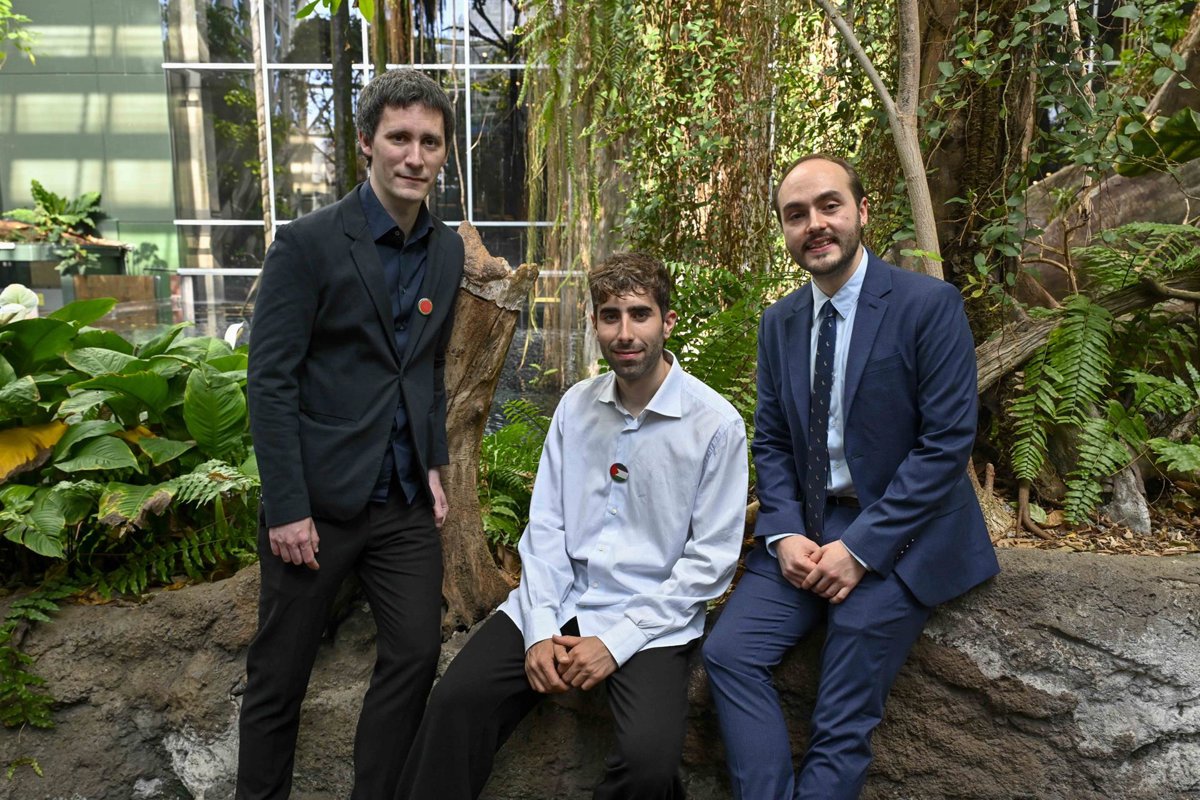
Notimérica reports that recipients of La Caixa Foundation grants have spoken up for science's role in addressing climate change.

Phys.org reports that solar heating could have removed meters of material from the surface of interstellar comet 3I/ATLAS.
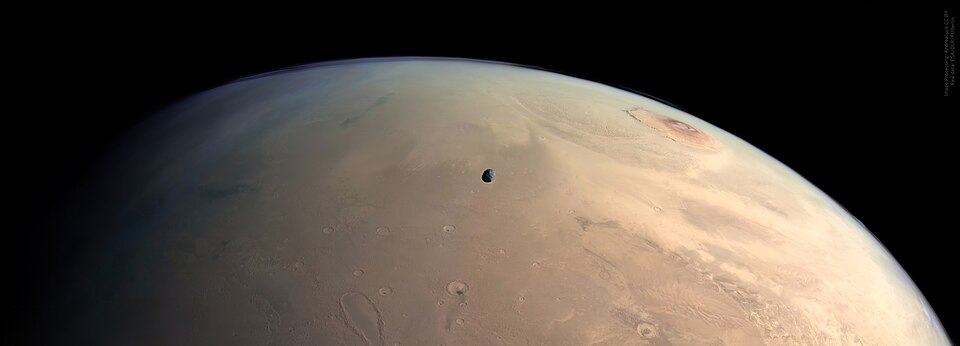
Japan's MMX spacecraft is on its way to Phobos after a Tuesday launch, aiming to return the first samples ever taken from the Mars system.
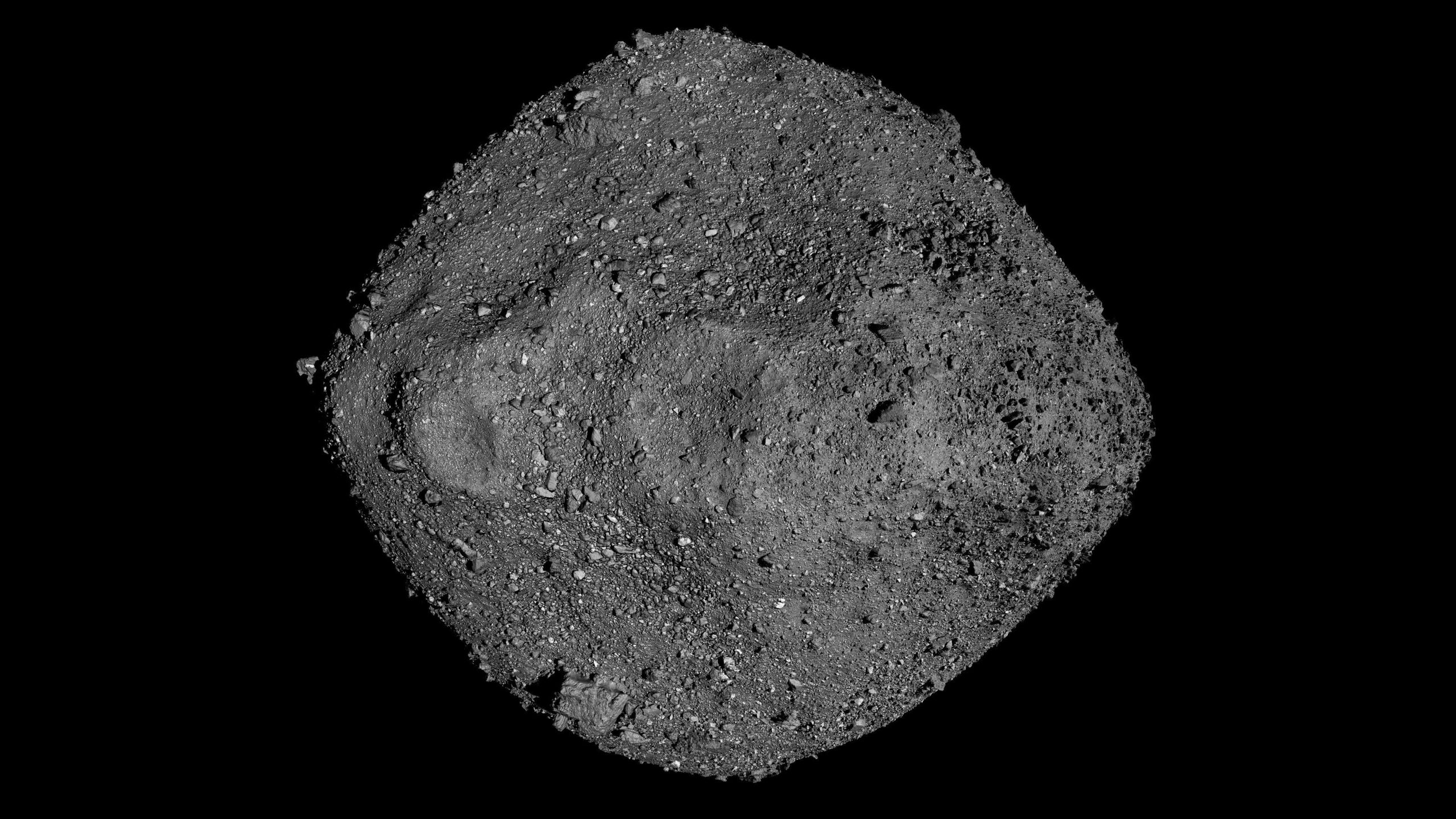
NASA has formally closed the OSIRIS-REx mission, which returned the largest asteroid sample ever collected and produced more than 200 research papers.
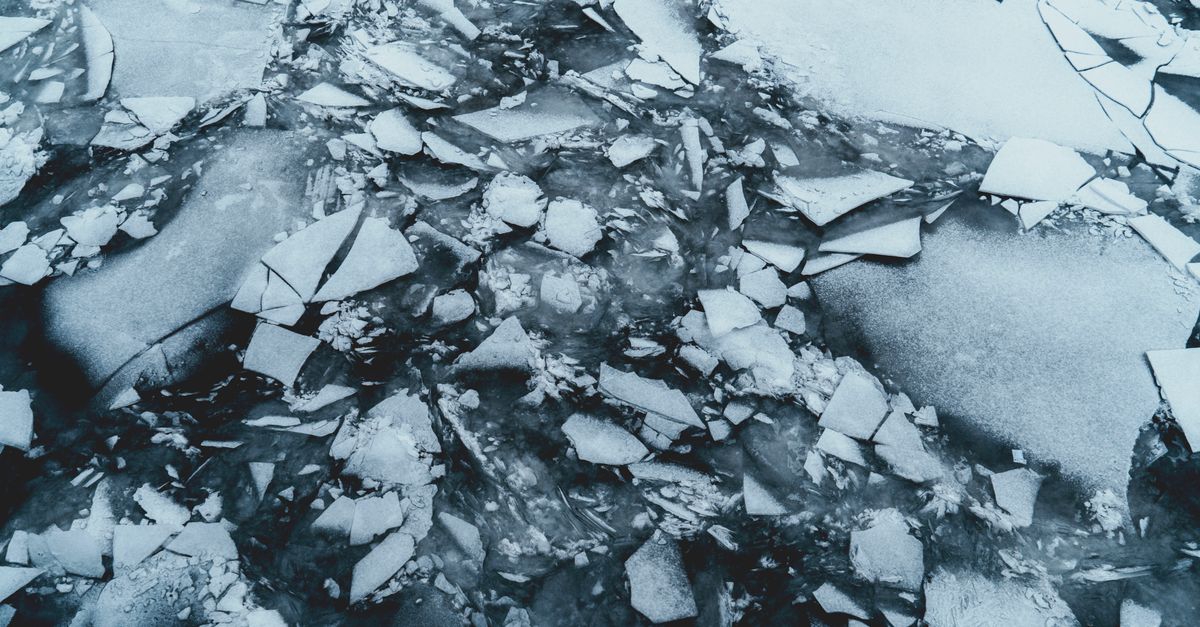
Global heatwaves shattered records on every continent this summer. Here's what the data, the deaths, and the dying coral are really telling us about our climate future.
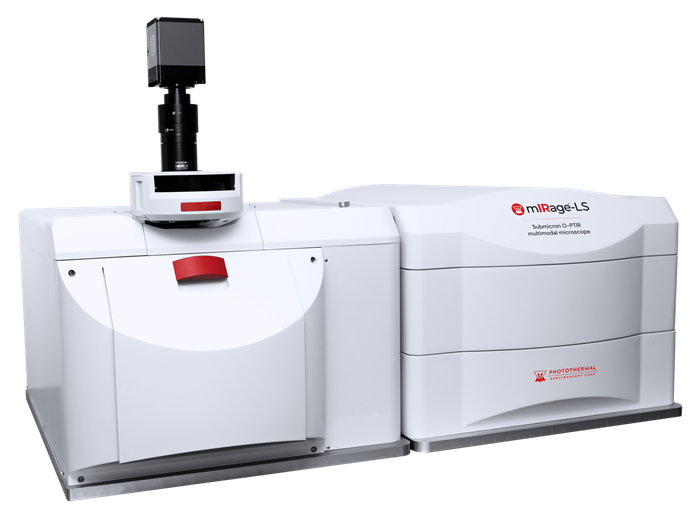
News-Medical highlights mIRage-LS, a multimodal platform pairing submicron infrared imaging with spectroscopy for life science research.
600 million views, empty feta shelves, and a sizzle you can taste. Here's the real science behind the baked feta pasta viral explosion.
Researchers have identified a histidine-driven pendulum motion that governs how hydrogenase enzymes capture protons, AZoCleantech reports.
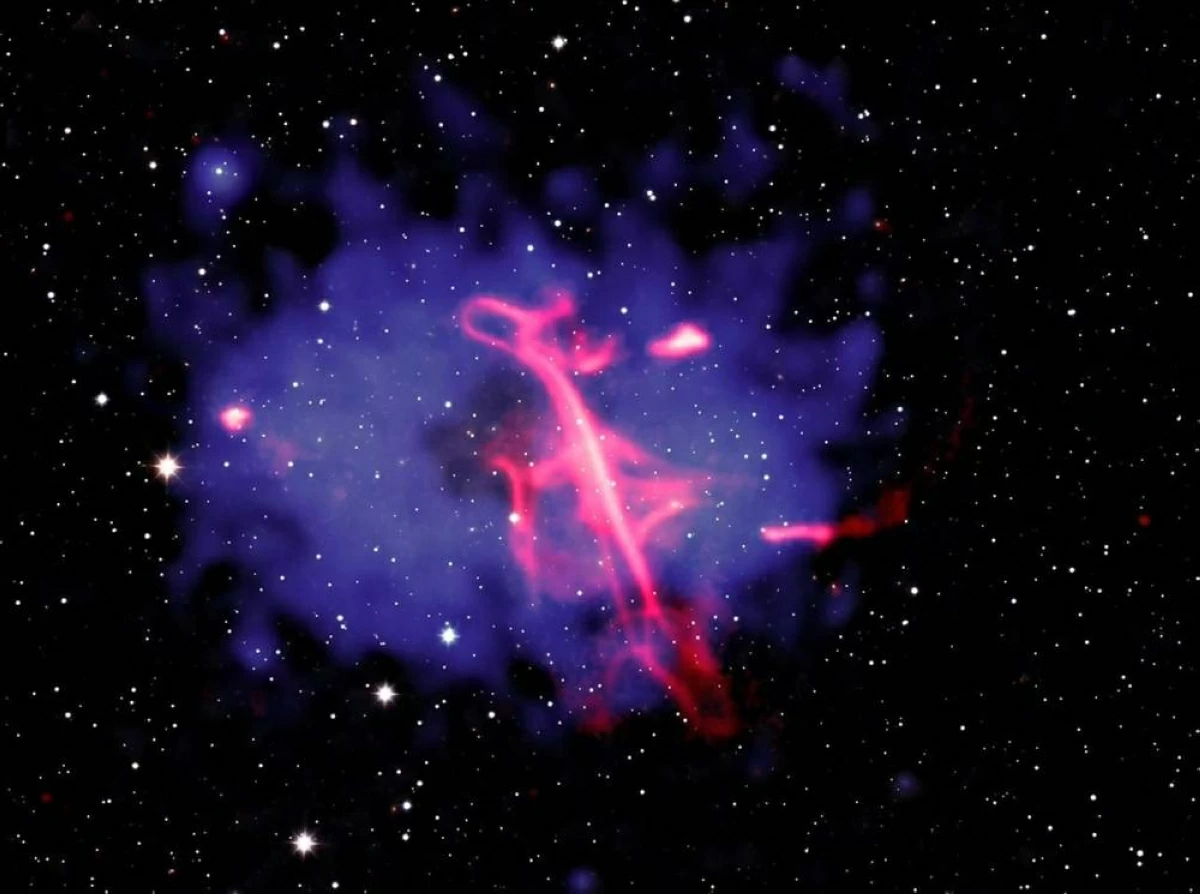
Arabic outlets report a supermassive black hole awakening long-quiet radiation and firing radio jets after consuming cosmic material.

Japan's MMX spacecraft lifted off from Tanegashima on an H3 rocket and entered a Mars-bound trajectory, NHK reports, with a Phobos sampling attempt planned around 2029.

ESA's dark-universe telescope found comet C/2026 S1 (Euclid) in September 2026, a long-period body confirmed by observatories worldwide.

Researchers say a large year-long blind test found satellites consistently identified methane leaks, according to Chemical & Engineering News.
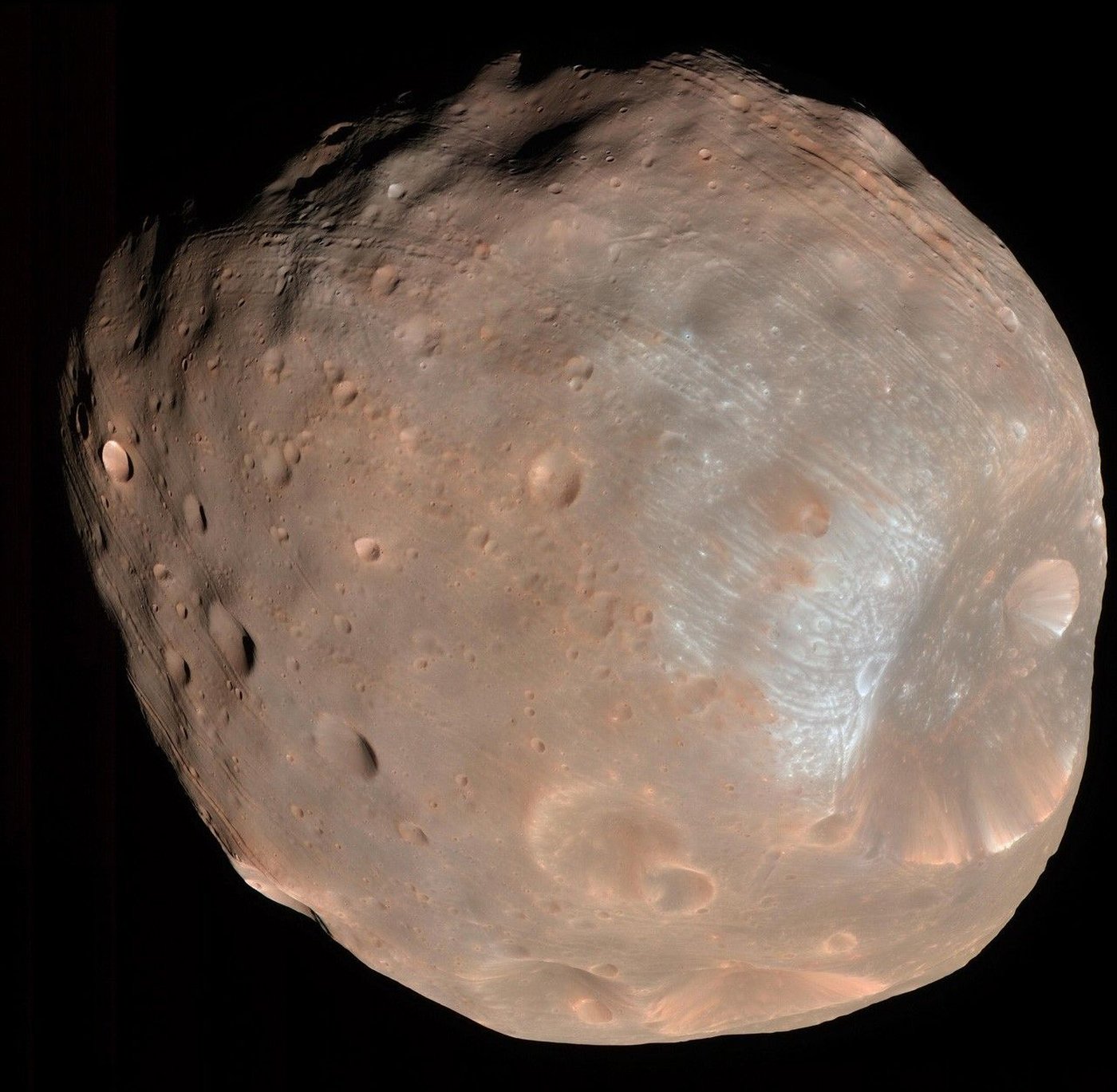
JAXA leads a five-agency effort to put a lander and rover on Mars' larger moon and bring material back to Earth.

Phys.org reports that X-ray experiments have uncovered unexpectedly persistent spin waves in a copper oxide material.

Phys.org reports research linking an ancient Hox genetic code to the development of hind fins and limbs in vertebrates.
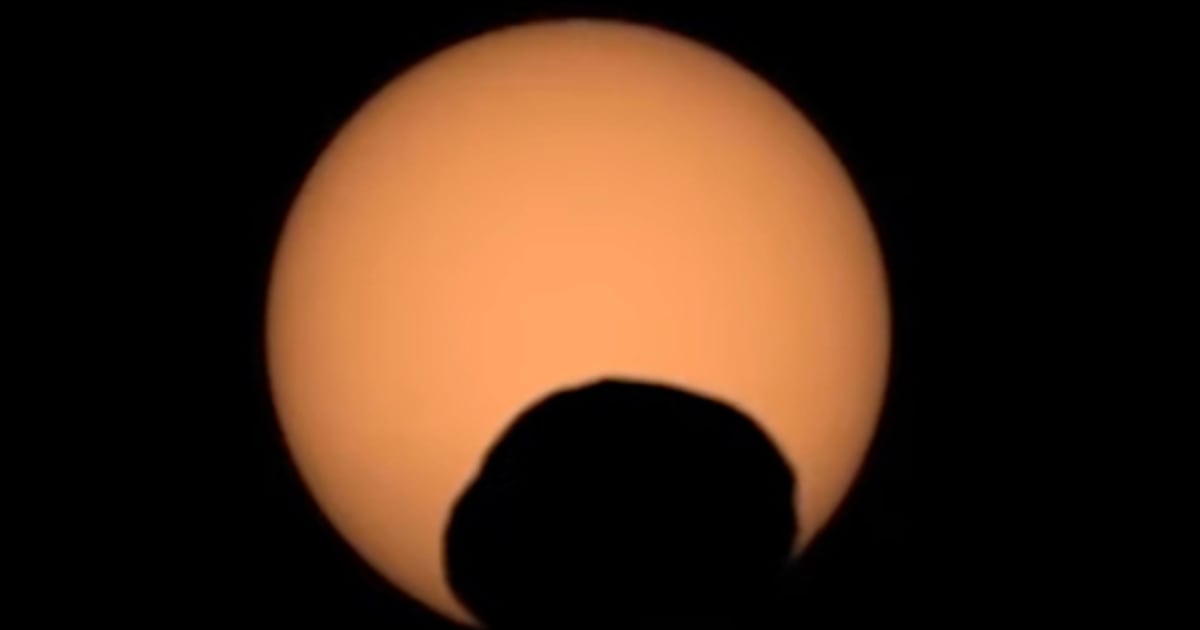
Japan's MMX spacecraft will land on one of Mars' two moons and bring samples back to Earth, CTV News reports.

JAXA's MMX mission is set to launch from Tanegashima on 19 October 2026 to collect material from Phobos and bring it to Earth in 2031.

A new spatial genomics method maps distant DNA interactions inside cells without losing their position in tissue, Phys.org reports.

Researchers in Iran report that silicone composites loaded with bismuth oxide nanorods detect diagnostic X-rays in real time with roughly three times the photocurrent of plain silicone.

Phys.org and Rice University report a new single-piece ion trap aimed at making quantum simulation work available to more researchers.
Page 15 of 27