Science
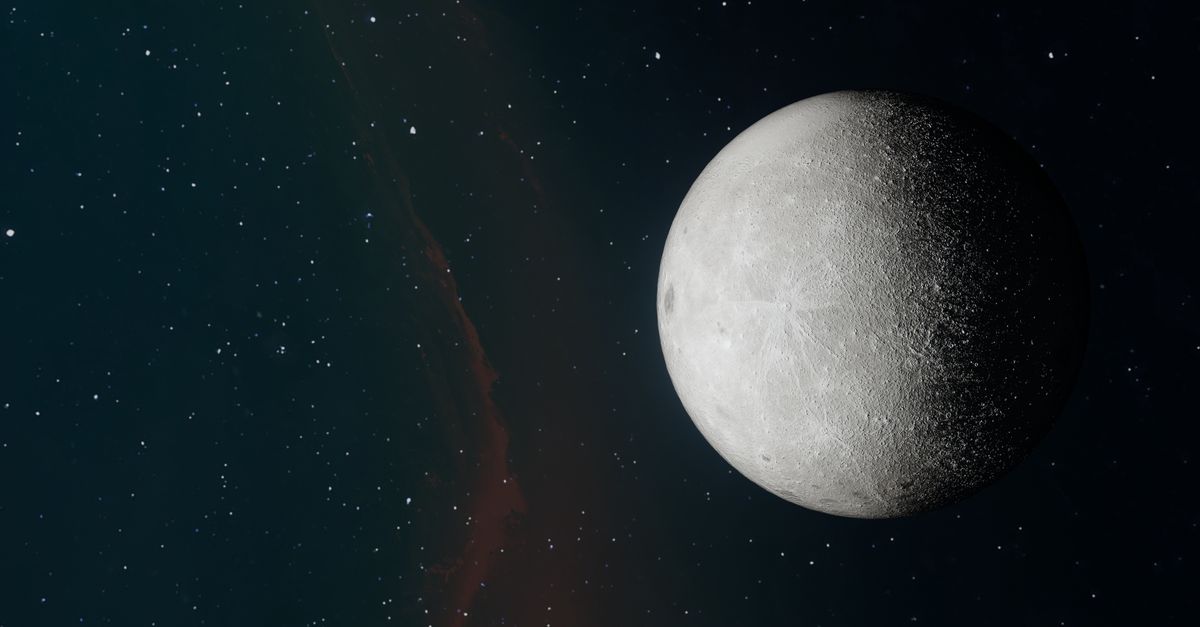
Saturn's Moon Dione Appears to Cross the Ringed Planet on October 25
Astronomy Magazine reports that Dione will pass in front of Saturn on Sunday, October 25, 2026, in the latest entry of its daily sky guide.
Amira Mohamed · 25 Oct 2026152
Science, discoveries and how the world works. · 644 articles
Astronomy Magazine reports that Dione will pass in front of Saturn on Sunday, October 25, 2026, in the latest entry of its daily sky guide.

Phys.org reports a nanoscale alloy redesign aimed at cold brittleness, with potential uses in deep space and deep sea.
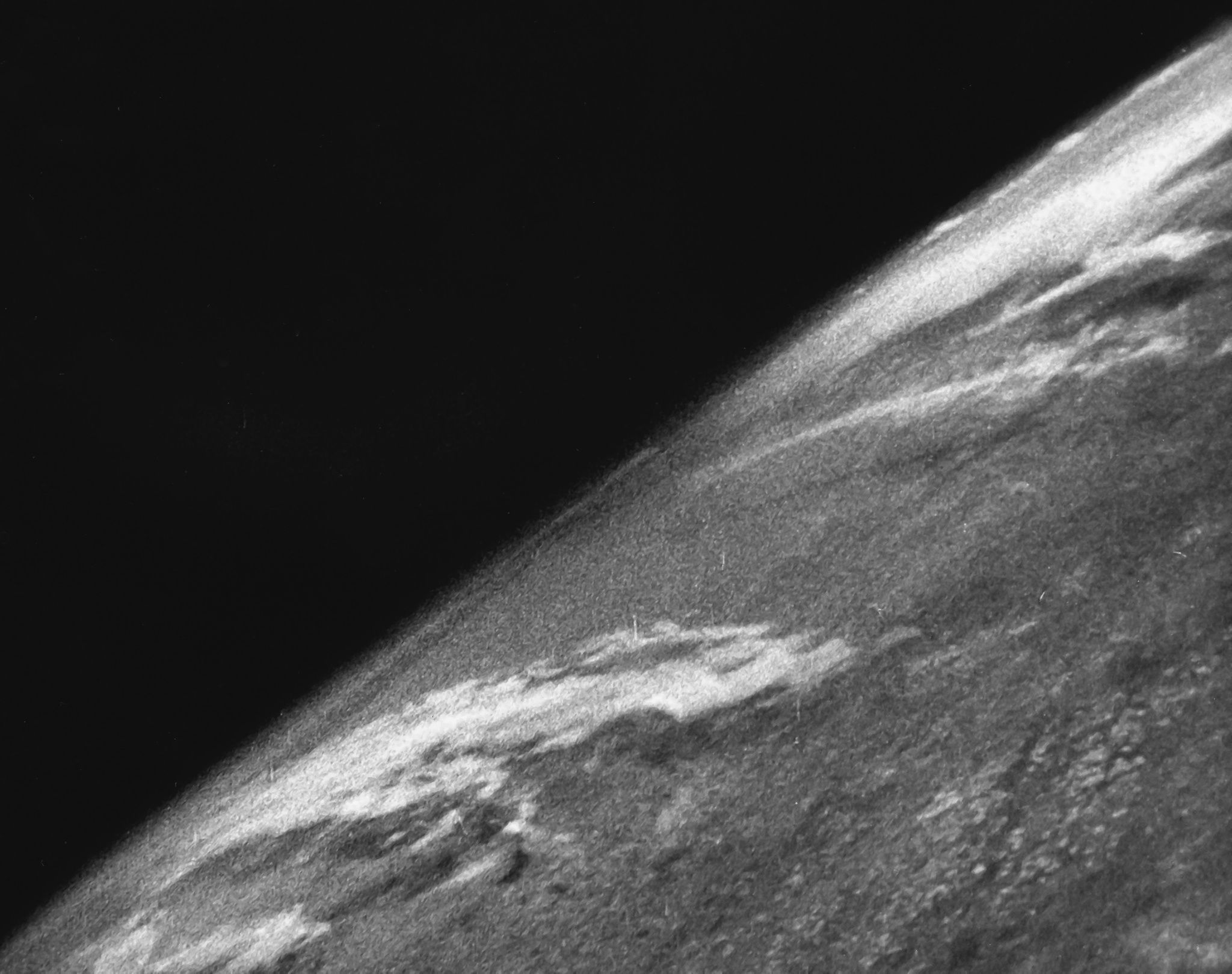
A camera-carrying V-2 launched from New Mexico captured the earliest known images of Earth from space 80 years ago, according to Space.

Rigaku will present the DicifferX Microarea Edition X-ray diffractometer at JASIS 2026, AZoM reports.

Phys.org reports NASA is taking an Apollo-style approach to speed up lunar lander testing and put astronauts on the Moon within two years.

Two teams say the tiny red objects may be black hole stars, while other astronomers argue they are simply early supermassive black holes.

Scubaverse reports scientists photographed a dying coral recovering after being placed beside a healthy one, with healing seen within weeks.

Forbes says a giant asteroid will make a close approach to Earth in roughly 900 days, coming nearer than some satellites.

A Mexican student has earned a gold medal at an international science fair for building a fire extinguisher that uses sound, Manila Bulletin reports.

A Kompasiana.com explainer traces the scale of the cosmos, from the Milky Way to the dark matter and energy that dominate it.
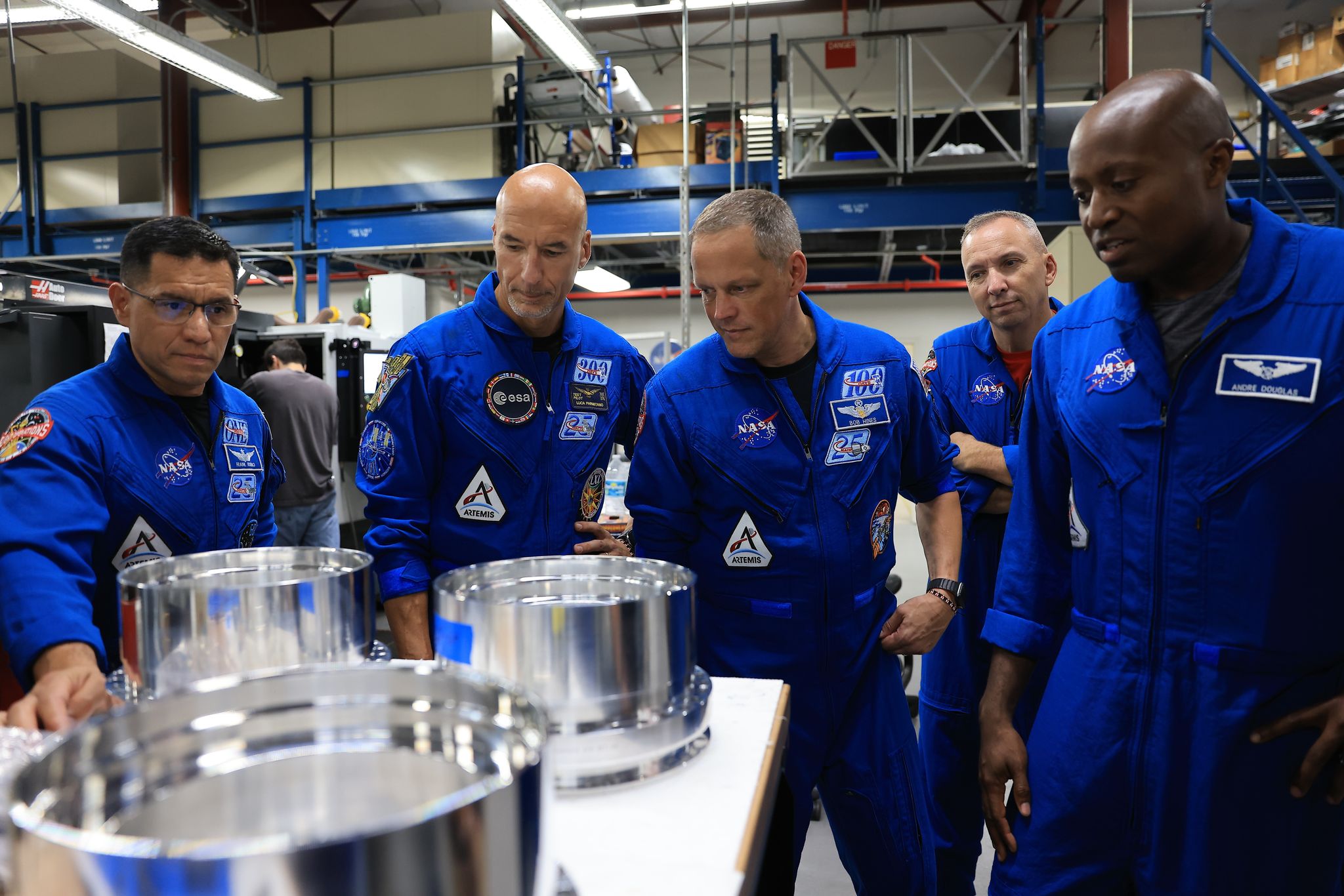
NASA says Artemis IV will put astronauts on the moon in 2028, with a south pole base and lander docking tests planned along the way.
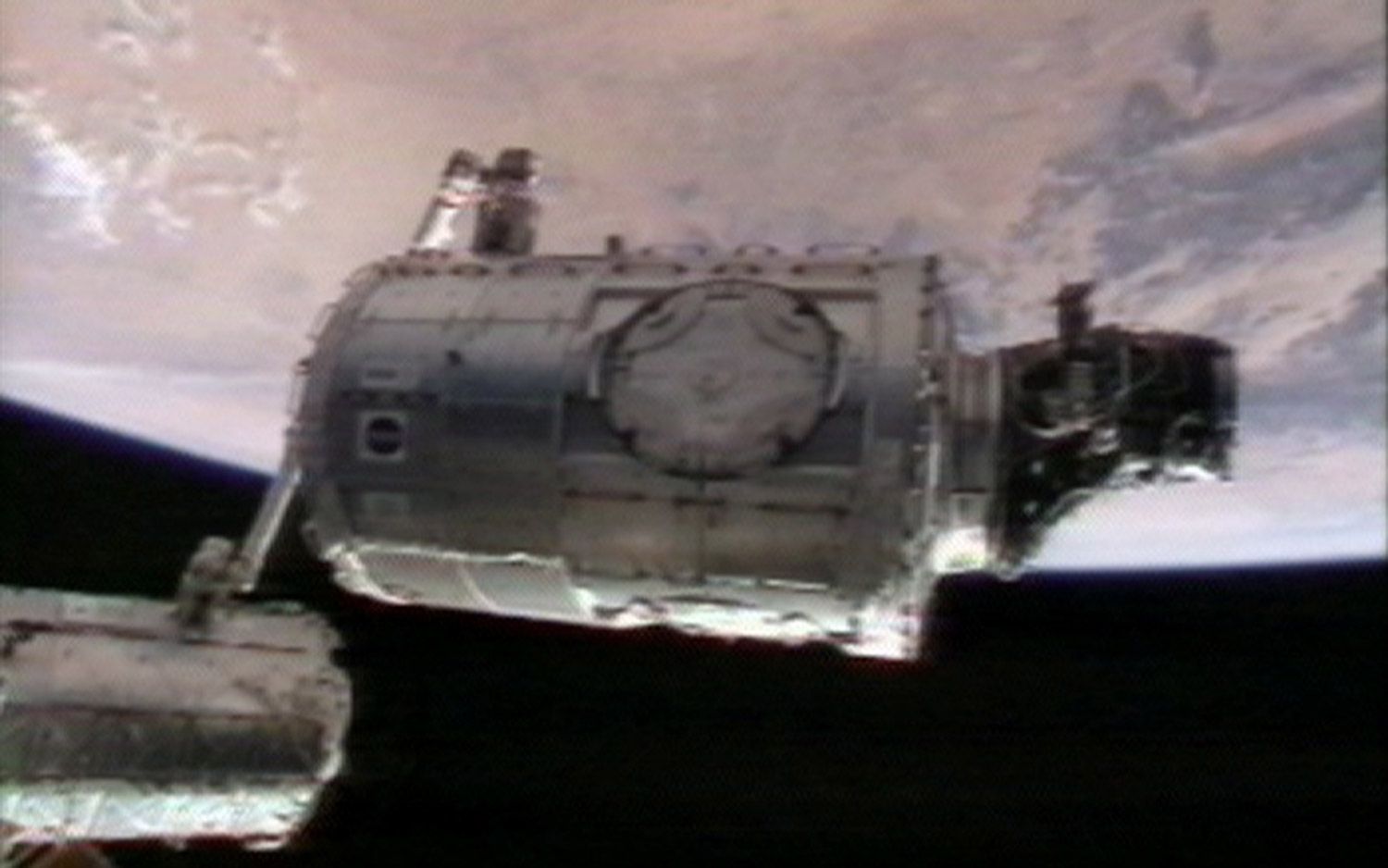
Space shuttle Discovery carried the Harmony connecting module to the space station, adding a hub for Europe's Columbus and Japan's Kibo labs.
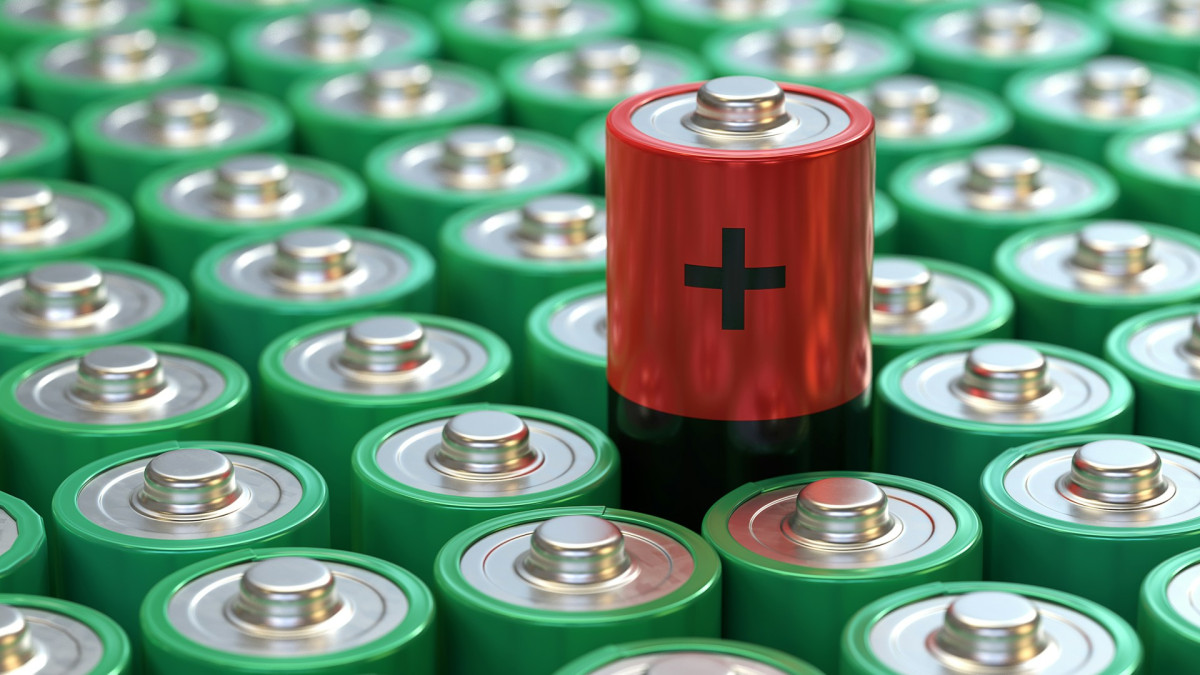
NASA's solid-state battery prototype endured minus 170°C in thermal vacuum testing, and the agency says the tech could one day inform safer, cold-capable EV packs.
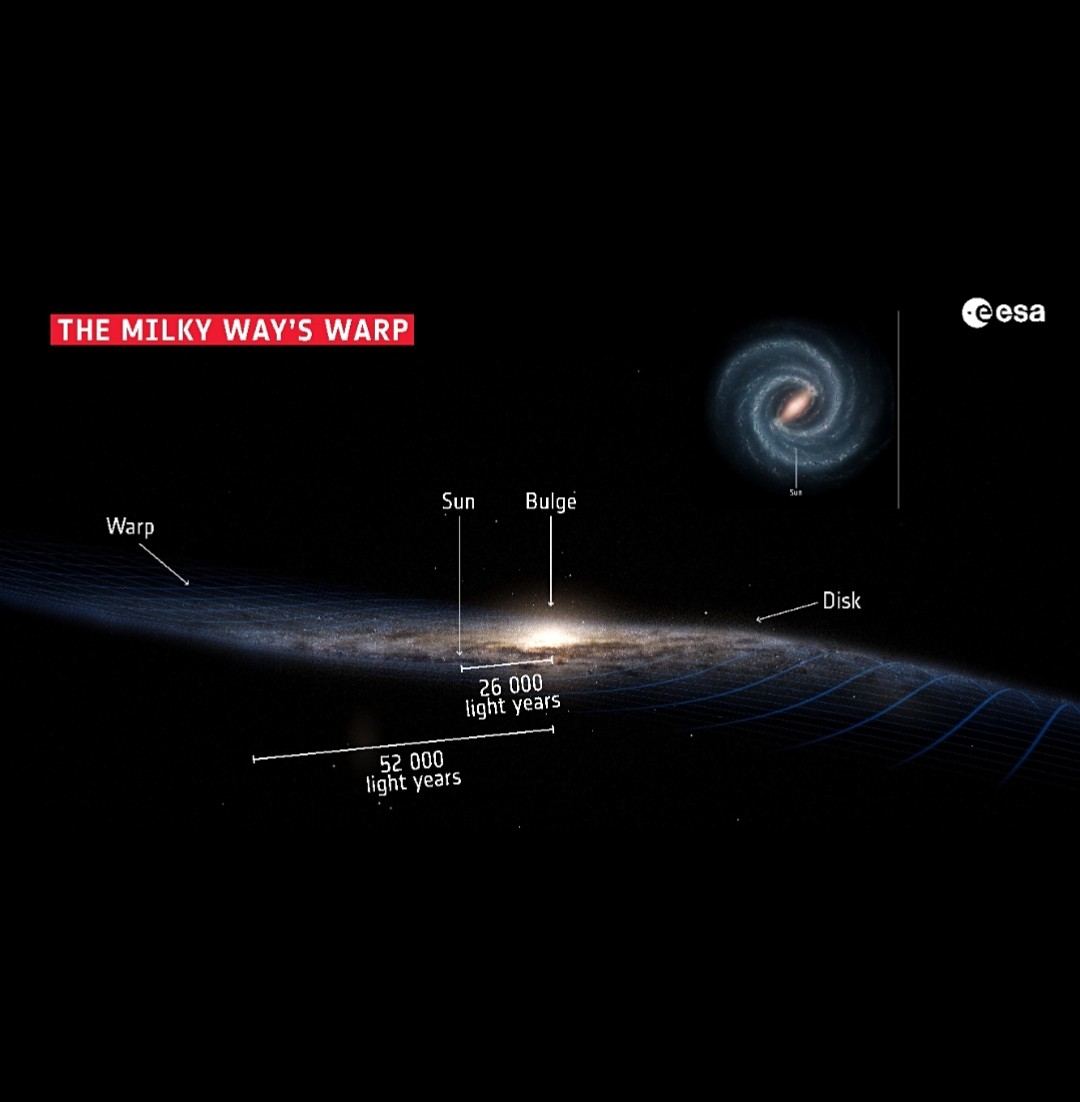
Research in Nature Astronomy examining over 30,000 gas clouds reports that the Milky Way's outer edges rise and fall in a wavelike pattern.
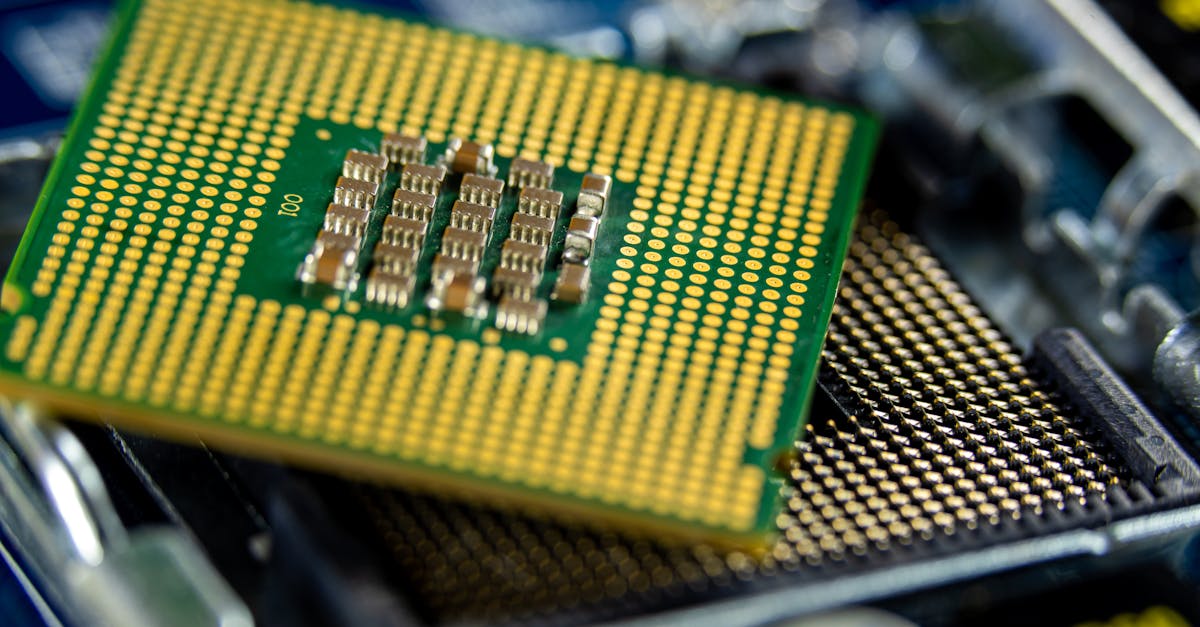
Quantum computing isn't twenty years away anymore. Here's the 2030 breakthrough timeline, what it changes, and why you should care now.

Lund University researchers found a retrovirus embedded in the chimpanzee genome switched off LINC00662, a gene active in human brain development.
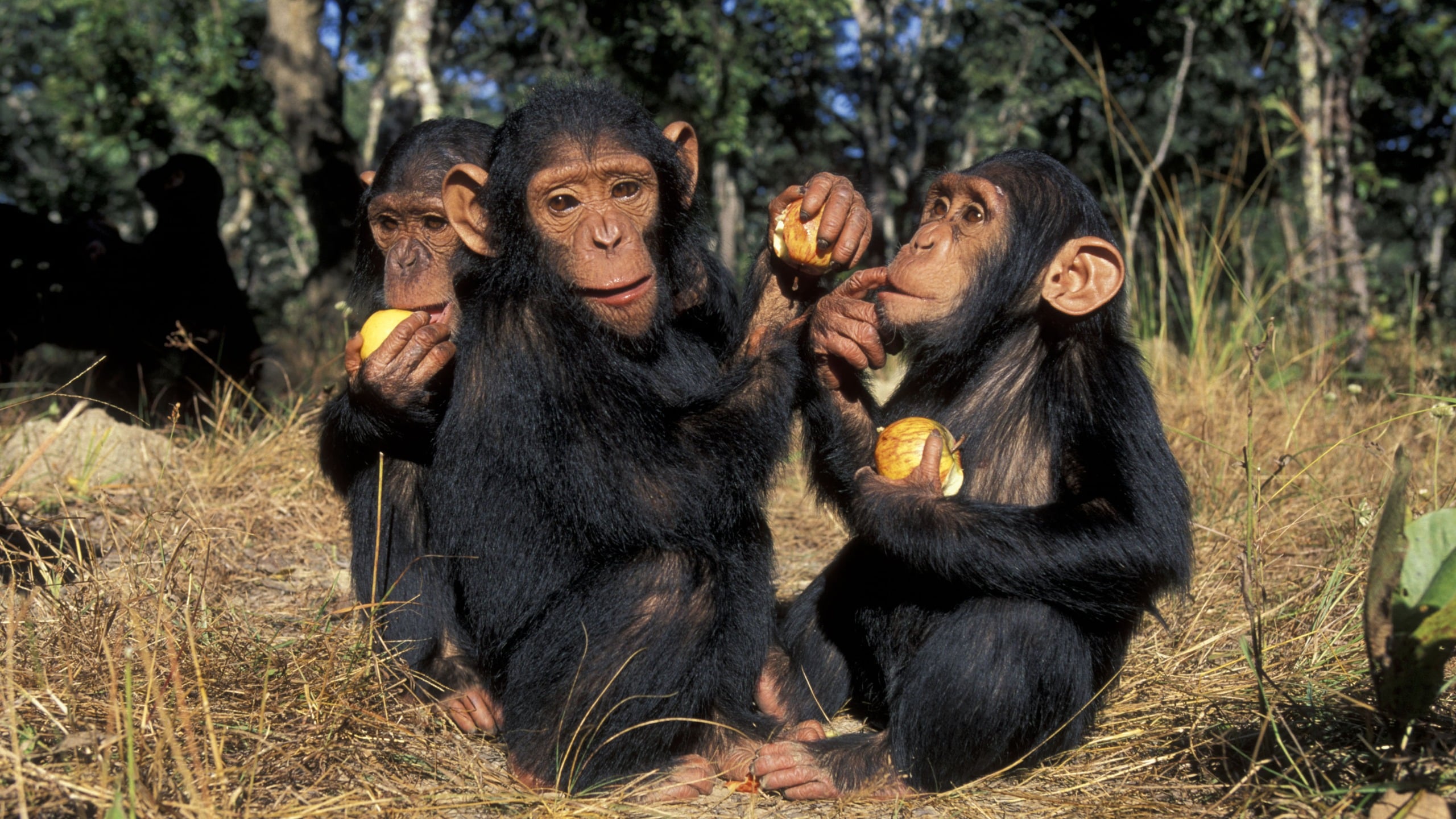
A study in Science Advances finds a virus that infected chimpanzees but not humans altered a gene tied to brain cell growth.

New research on the gut-brain axis reveals how your microbiome shapes anxiety, mood, and mental health. Plus what to actually eat (and what to skip).
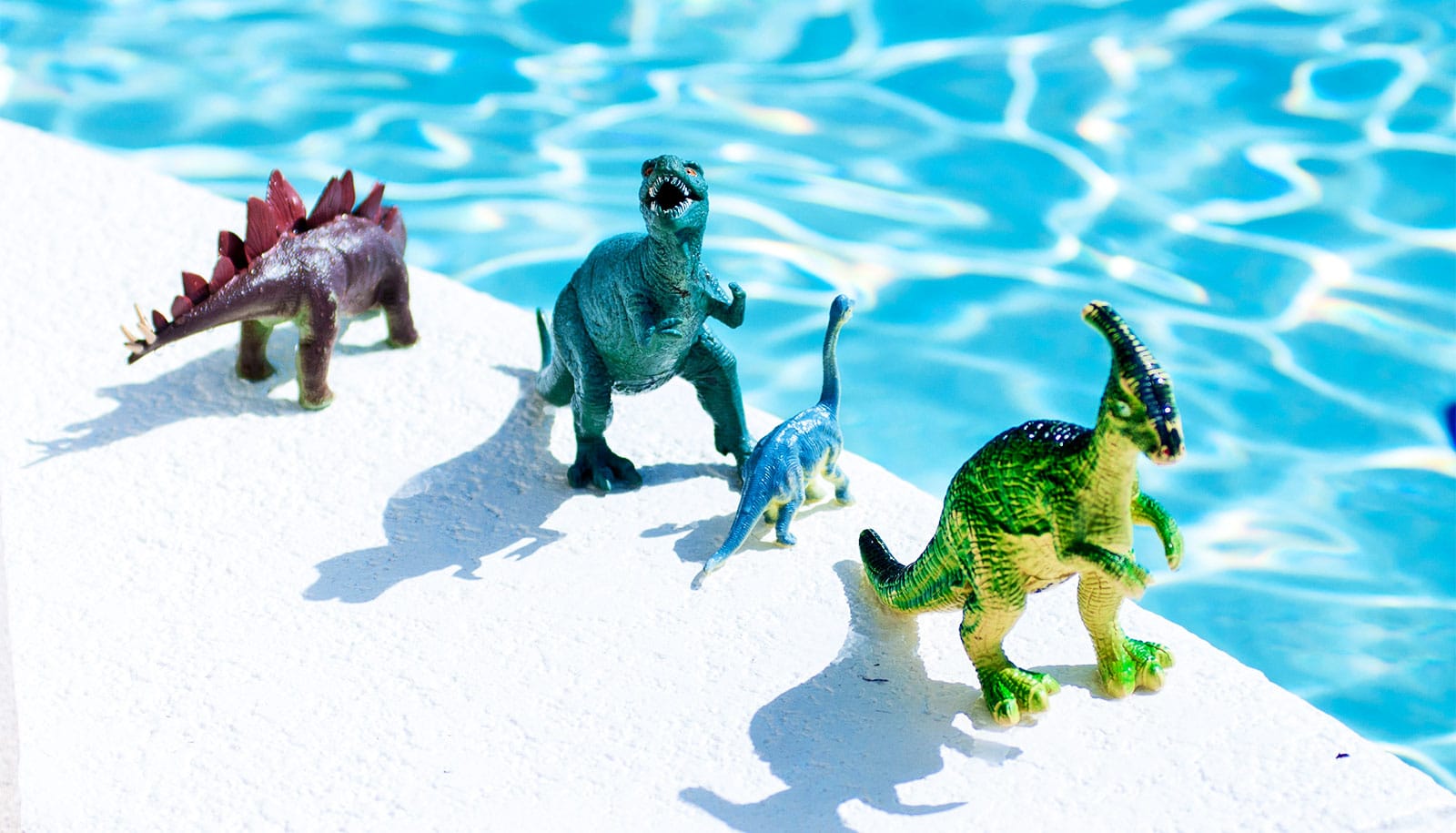
Carbon isotope traces in fossils from coastal dinosaurs hint they supplemented their diets with marine matter washed ashore, Futurity reports.

Phys.org reports that gold nanoparticles unexpectedly affect the process governing electrical conductivity in organic devices, a finding with implications for their design.

Phys.org reports that applying a brief squeeze helps CRISPR turn skin cells into neurons more efficiently, according to a study summary.
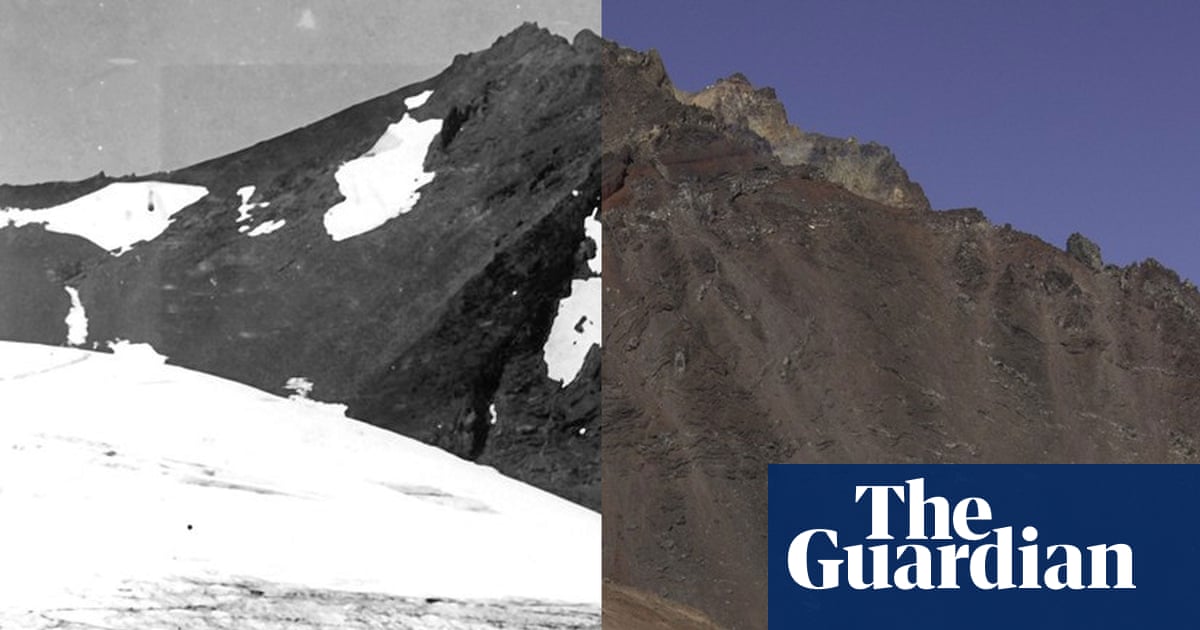
New research shows the American West's glaciers have shrunk by a third in area since the 1960s, with losses accelerating as temperatures rise.
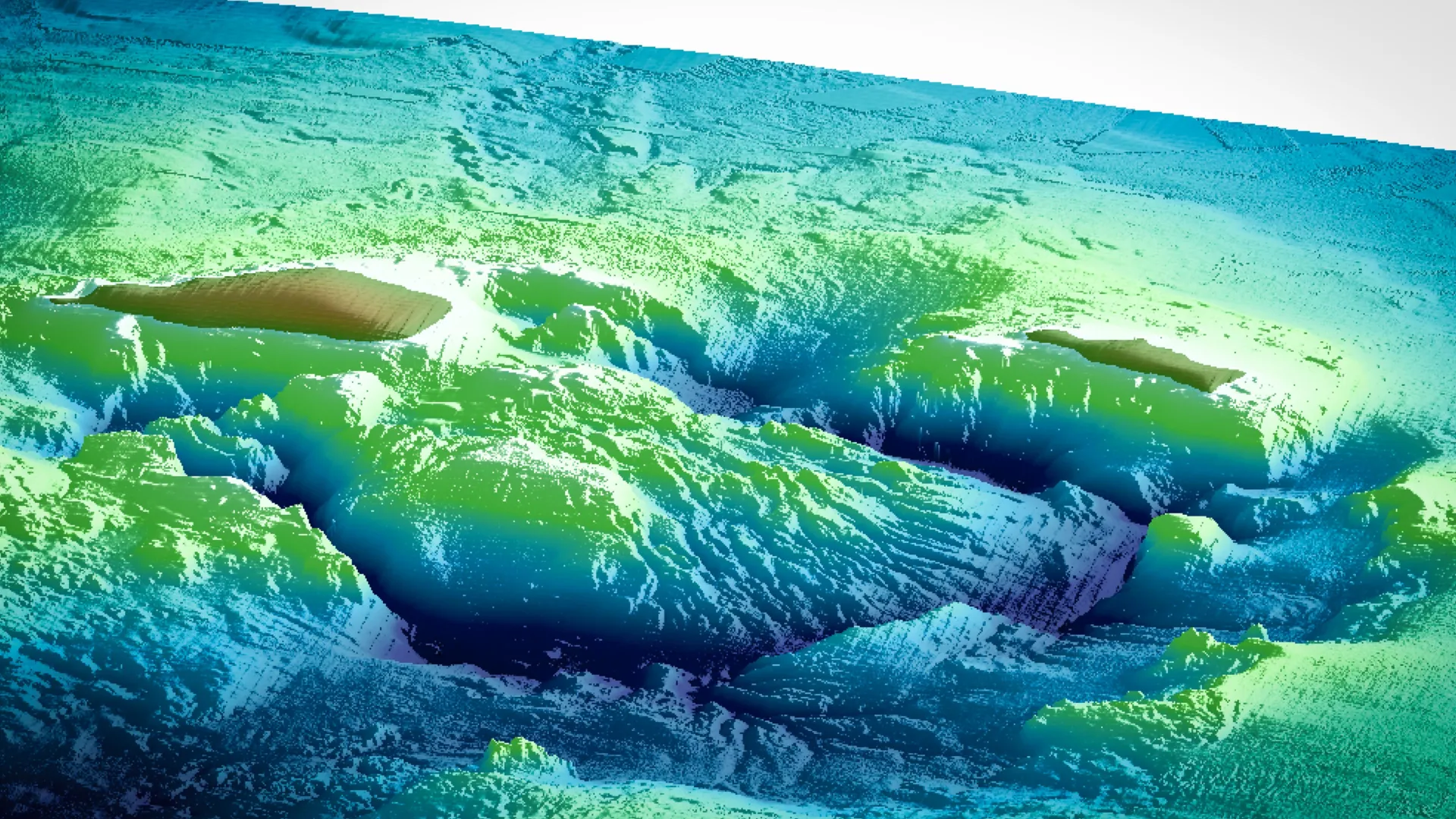
Seismic surveys and chemical data suggest Japan's Kikai caldera is slowly gaining fresh magma, offering clues to how supervolcanoes rebuild.

Astronomy Magazine says stargazers can spot Neptune beside the Moon on Friday, October 23, in its daily sky guide.
Page 12 of 27