Is Cold Plunging Worth the Hype? What Science Says About Cold Exposure and Recovery
Cold plunging is everywhere—but does the science actually back the recovery hype? What 104 studies reveal about cold exposure might surprise you.
Science, discoveries and how the world works. · 644 articles

Cold plunging is everywhere—but does the science actually back the recovery hype? What 104 studies reveal about cold exposure might surprise you.

Herald.co.zw reports the government is calling on researchers to direct their work toward practical problems faced by industry.

A US research team says its new approach can identify radioactivity from 100 feet overhead within seconds, according to Interesting Engineering.

Phys.org reports that an ancient fault suggests heat generated during earthquakes may increase slip, the movement that can set off tsunamis.

Astronomers using ESO's Very Large Telescope found two gas rings around white dwarf J1328−1450, possibly held in place by surviving planetary bodies.

A dinosaur once mistaken for a juvenile T. rex goes under the hammer in New York a year after scientists confirmed it as a separate genus.

Space reports that radio signals returning seconds after transmission, first heard in 1927, still have no confirmed cause despite several competing theories.

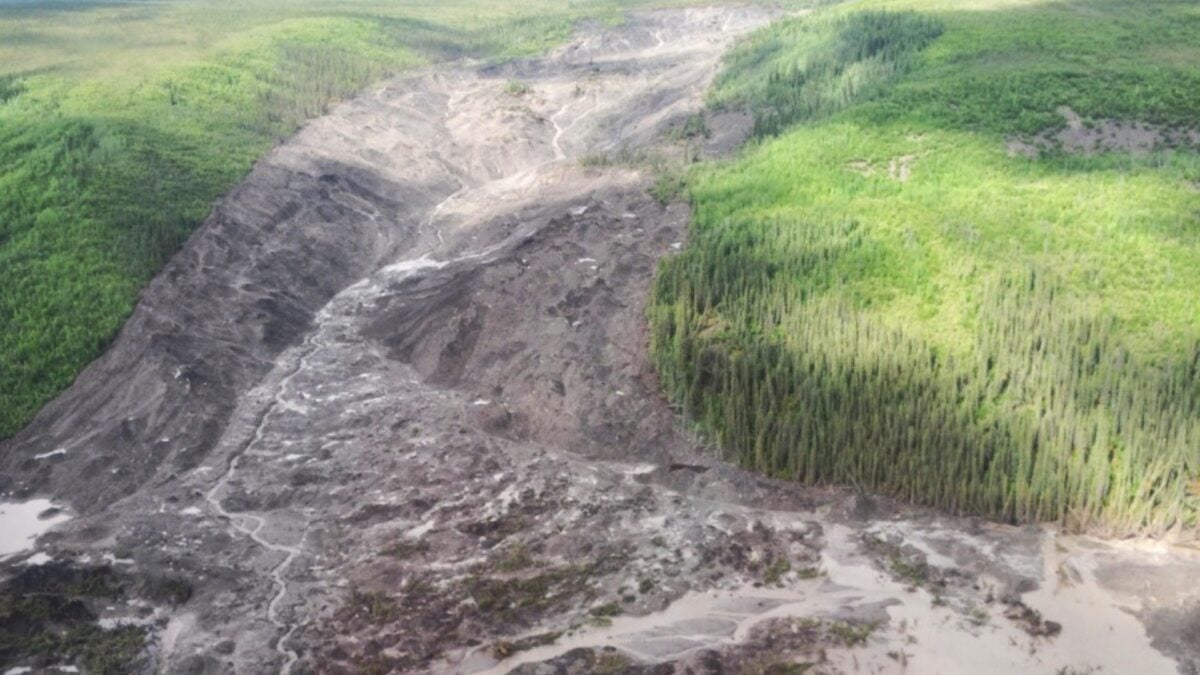
Researchers say "permafrost detachment slides" in Canada's Mackenzie Valley stem from deep thawing and may become more common as wildfires intensify.

Mars Odyssey and the Mars Reconnaissance Orbiter have outlasted expectations, reshaping what scientists know about water on Mars, WIRED reports.

Around 180 captive-bred Przewalski's horses have been released into Xinjiang's Kalamaili reserve since 2001, The Tanzania Times reports.

The Museum of Science and the Cosmos in Tenerife will stage a free public debate on 29 October weighing three competing explanations for dark matter.

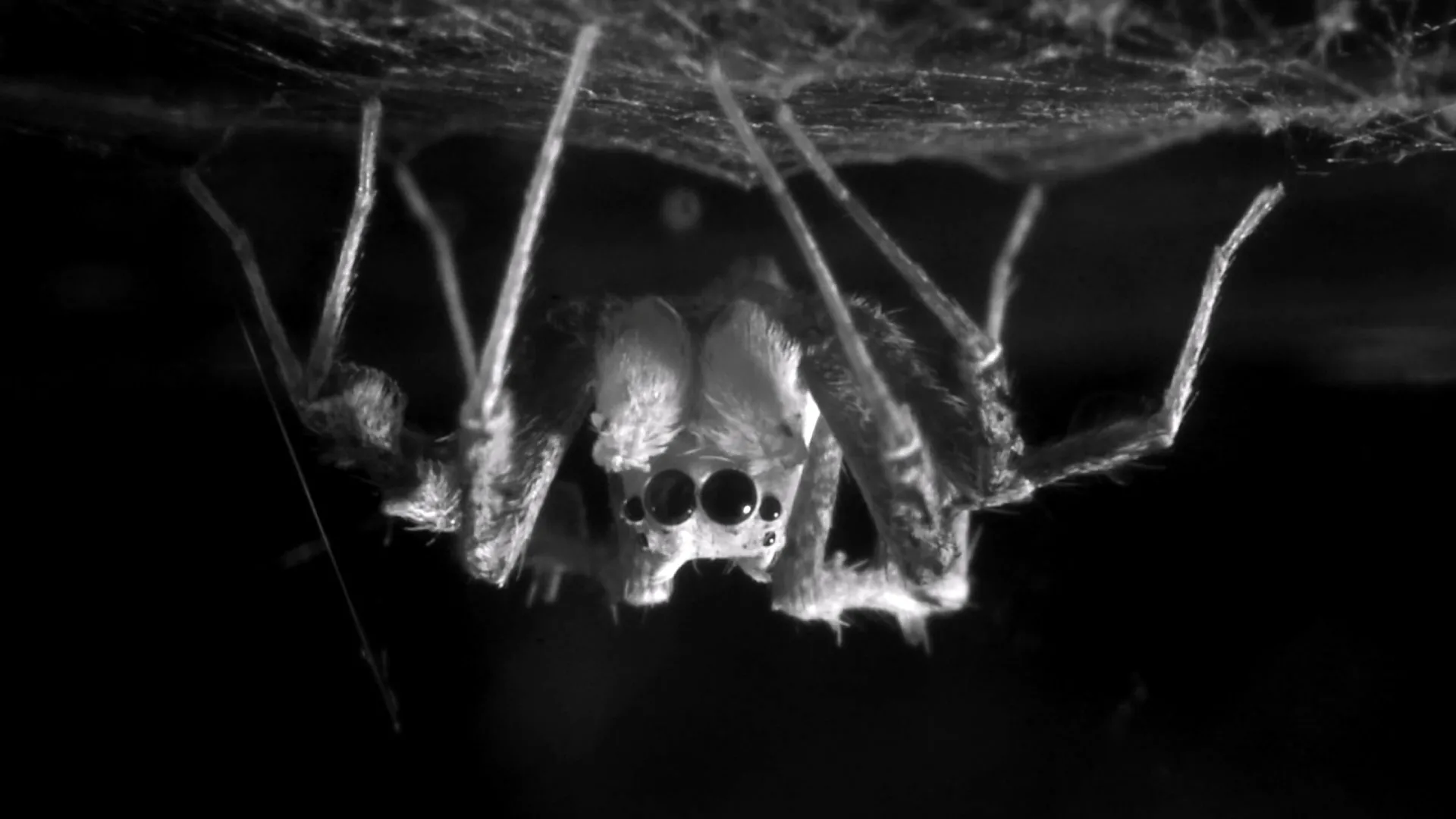
University of Bonn researchers say Portia fimbriata jumping spiders have distinct sleep stages, including a REM-like state with eye movements and muscle twitches.

The 20-foot sunshade that will power NASA's asteroid-hunting NEO Surveyor has been inspected at BAE Systems in Boulder after arriving ahead of schedule.

A newly reported planet covered in molten, reflective rock is prompting astronomers to rethink what they expected such worlds to look like.

A high school team in NASA's SEES program built public-data models showing when an acoustic fuel sensor can read tank levels on the IM-3 Moon mission.

Phys.org reports laser-driven plasma experiments reproduce flare-like instabilities that may help explain why the sun's corona is so hot.

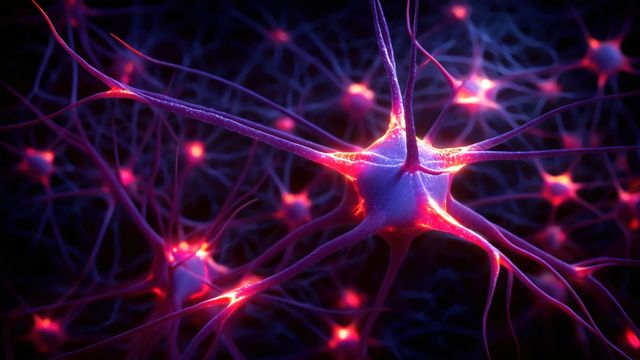
Spanish researchers built the first multi-omic atlas of the mouse embryonic thalamus, tracing how distinct neuron types arise and flagging Sp9 as key to visual identity.
Aftonbladet reports a new study indicating that what people eat could offer clues about narcissistic personality traits.

Phys.org reports that defects in diamonds have confirmed a theory about crystal stress first proposed roughly 80 years ago.

Phys.org reports that protein fibers tied to Alzheimer's disease have been observed carrying genetic material into sperm cells.

Research on Canada's Barnes Ice Cap suggests ice began regrowing about 2,000 years ago until greenhouse gas warming reversed the trend around 1960.

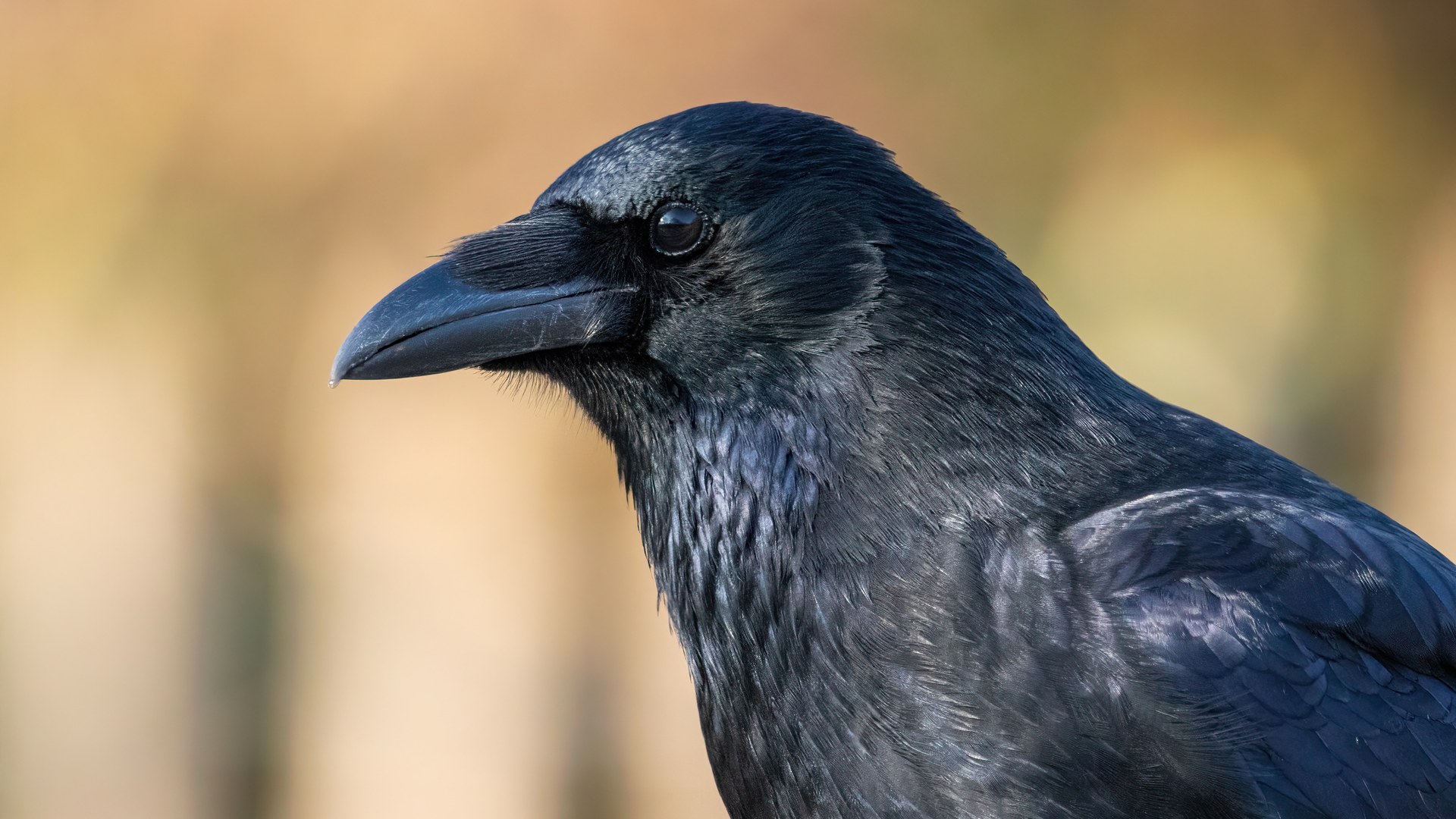
Two crows matched primate decision-making logic and beat their response times by roughly half, researchers in Tübingen report in Science.

A deep-sea creature that should've vanished 300 million years ago just turned up alive. Here's why scientists are calling it a living fossil — and why it matters.

A 144-megapixel test camera at the Vera C. Rubin Observatory imaged the Seagull Nebula's glowing head, shaped by three young stars.
Page 11 of 27